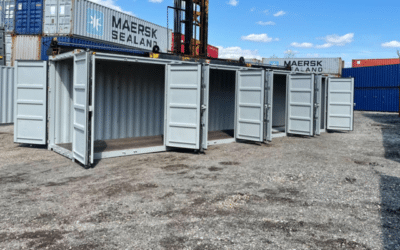
Jobsite theft costs the construction industry between $300 million and $1 billion a year. Learn how to protect your tools and materials with proven construction site security layers, from perimeter fencing to secure steel containers.
Learn About Storage Containers
Where Do You Put Everything During a Renovation? Storage Options Compared
Don’t let drywall dust ruin your couch. Explore the top renovation storage options, from self-storage units to portable boxes, and discover why a heavy-duty steel shipping container is the ultimate on-site solution for your next project.
Shipping Container Foundations and What to Put Under Your Container
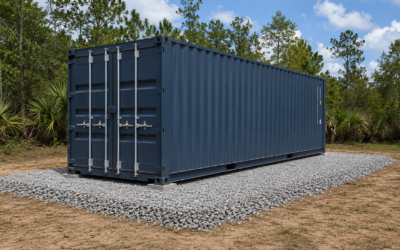
A compacted gravel pad is the right foundation for most shipping containers in Florida and Georgia, at $200 to $400 for a 20ft box. Concrete piers or a slab make sense on soft or sloping ground. Whatever you choose, the container needs support under all four corners and clear drainage.
Store Hay, Feed, and Equipment Without Building a Barn
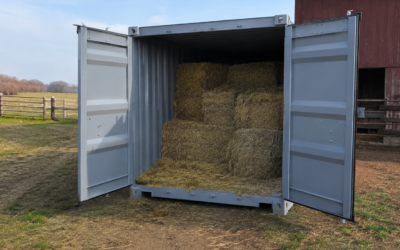
A 40ft shipping container gives farms dry, lockable storage for hay, feed, chemicals, and equipment at a fraction of what a pole barn costs, and it needs no foundation or building permit in most agricultural zoning. Delivery takes days instead of the months a barn build takes.
20ft vs 40ft Shipping Containers
A 20ft shipping container provides approximately 1,170 cubic feet of interior volume, while a 40ft unit offers roughly 2,390 cubic feet, nearly double the capacity. The right choice depends on your intended use, property access constraints, condition grade requirements, and whether the container needs to qualify for international ocean shipping.
What Is a Conex Box? Sizes, Uses, and Buying Guide
A conex box is a standardized, heavy-steel intermodal shipping container originally developed by the U.S. Army in the early 1950s and now used worldwide for freight transport, on-site storage, and custom modifications. The terms conex box, shipping container, and storage container refer to the same type of unit in most contexts.
Are Shipping Containers Hurricane Proof? The Honest Answer for Florida, Georgia, and Gulf Coast Buyers
No shipping container is hurricane proof, and neither is any other structure. A properly anchored, cargo worthy container still holds up better than most sheds and portable buildings on the Gulf Coast. Storm performance comes down to anchoring, container grade, site elevation, and placement. Miss one and the whole setup is at risk.
16 Questions to Ask Before Buying a Shipping Container (And How to Spot a Scam)
The questions that matter most are what grade the container is, whether the seller owns it or brokers it, what the delivered price includes, and how much room the truck needs at your site. Ask all 16 before you send a deposit.
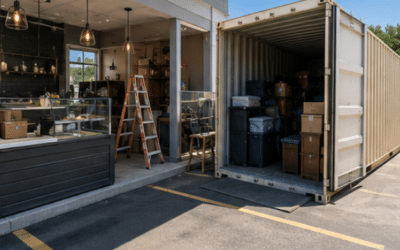
The Hotel Manager’s Guide to On-Site Storage (Renovations, FF&E, & Seasonal Inventory)
Hotels use on site shipping containers to hold FF&E during renovations, store seasonal inventory like patio furniture and holiday decor, and stage materials without tying up guest parking or back of house space. A 20ft or 40ft container sits on site for as long as the project runs.