
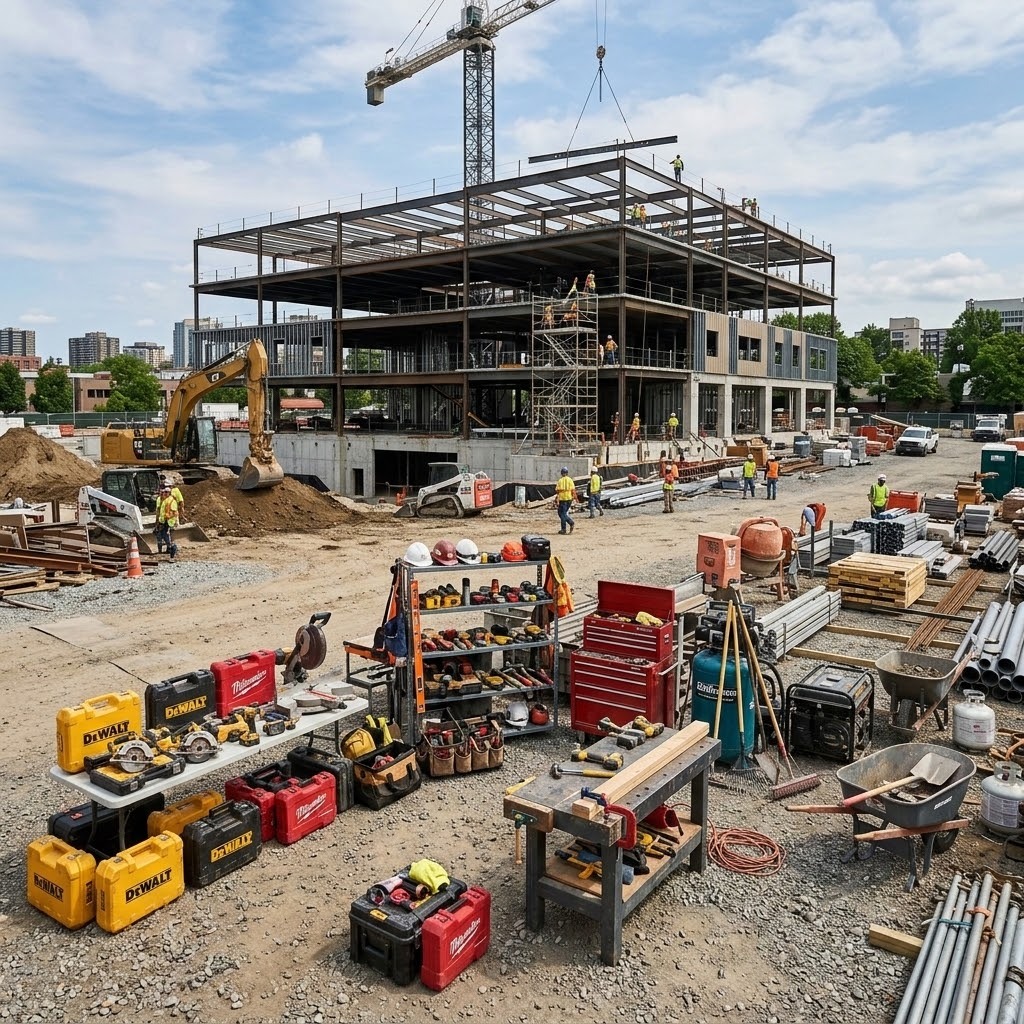
When it comes to construction site security, you know the feeling before you are all the way out of the truck. The lockbox is open, the compressor is gone, and the copper you staged Friday walked off over the weekend. Now the morning is shot, the crew is standing around, and you are on the phone with the insurance company instead of pouring concrete.”
Jobsite theft is one of the quiet taxes on the trades. The National Equipment Register pegs construction equipment and tool theft somewhere between 300 million and 1 billion dollars a year, and most of it is never recovered because the gear is easy to move and hard to trace. An open site full of portable, valuable tools is exactly what a thief is shopping for.
The good news is that theft responds to friction. No site is a vault, but a few layers stacked together make yours the harder target, and thieves almost always take the easier one. Here is how contractors across Florida and Georgia lock theirs down.
Why jobsites get hit
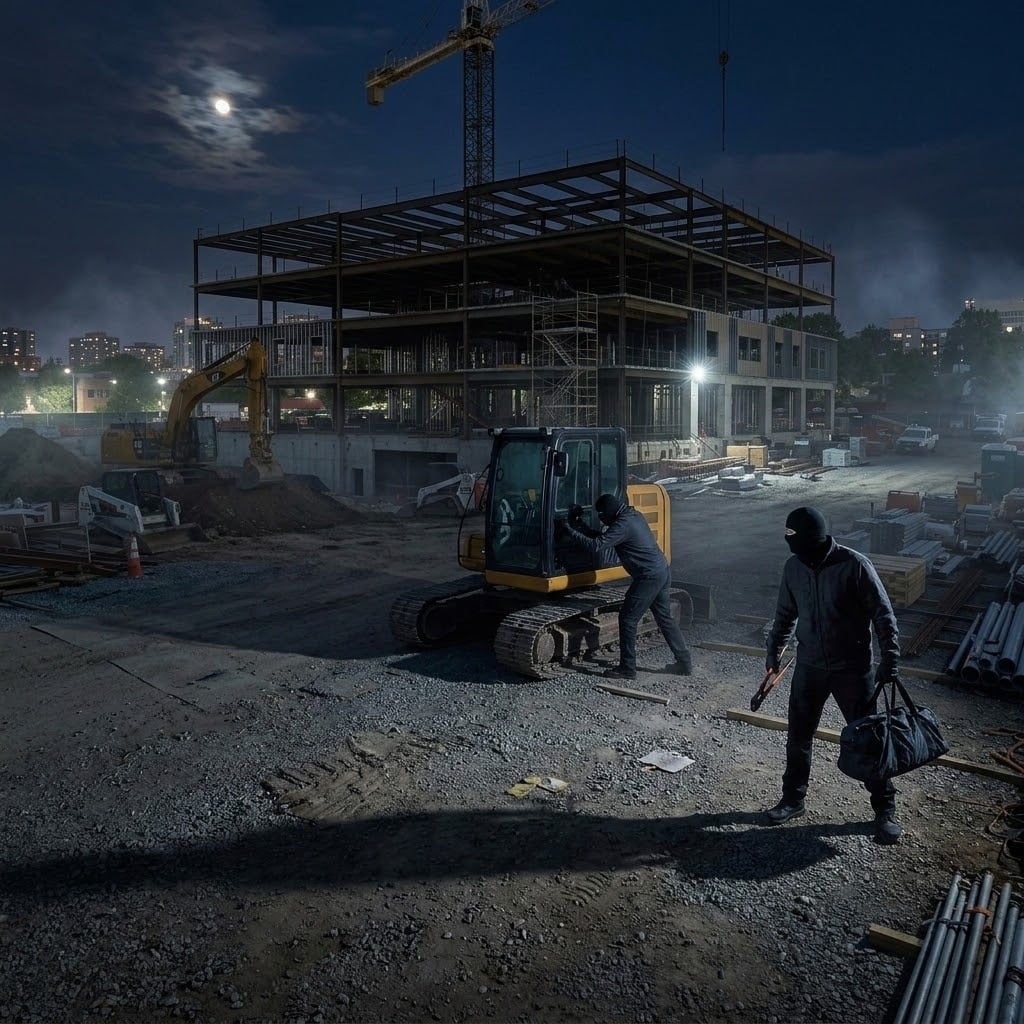
Three things make construction sites a favorite. The tools are portable and worth real money. The site is open, often with no fence and no eyes on it after five. And the resale market for used tools and copper is wide open, so a thief turns your gear into cash by the weekend.
The fix is not one silver bullet. It is layers. Each one you add costs a thief more time and more risk, and time and risk are the two things they will not spend.
Layer 1: control the perimeter
Start at the edge. A temporary fence with a single controlled entrance forces everyone through one point instead of letting someone back a truck up to the far corner in the dark. One gate is easier to watch and easier to lock.
Chain-link panels are cheap next to what a single stolen generator costs. Close the gate every night, and keep the site tidy so tools are not sitting out in the open advertising themselves.
Post clear signs along the fence line, monitored, no trespassing, cameras in use. Signs cost almost nothing and turn away the casual thief before they reach the gate. On a bigger site, a sign-in sheet or a badge reader at that one entrance keeps track of who is on the lot.
Layer 2: light it up
Thieves want to work in the dark. Motion-activated lights take that away. A light that snaps on when someone crosses the lot tells a thief they have been seen, and most will not stick around to find out by whom.
Cover the entrance, the tool storage, and any staged materials. Solar motion units work where you have no power hooked up yet.
Layer 3: cameras and alarms
A visible camera does two jobs. It deters the opportunist who sees it, and it gives you and the police something to work with if someone hits you anyway. Modern jobsite cameras run on cellular and battery, record on motion, and push an alert to your phone, so you know at 2 a.m. instead of at 7.
Pair a camera with a simple alarm on your storage and you have moved well up the difficulty scale for anyone casing the site.
Layer 4: mark and track your tools
Make your gear a pain to resell. Engrave or stamp your company name and a number on every tool, tag the expensive pieces, and keep a running inventory so you know the second something is missing. Branded, marked tools are a hard sell at a pawn shop, which makes them a poor target in the first place.
Small tracking tags tucked into high-value equipment help you and the police find it if it does leave. A quick morning count catches a loss while the trail is still warm.
For heavy machines, register the serial numbers with the National Equipment Register. Registered equipment is harder to fence and easier for police to hand back to you.
Layer 5: lock it in a steel container
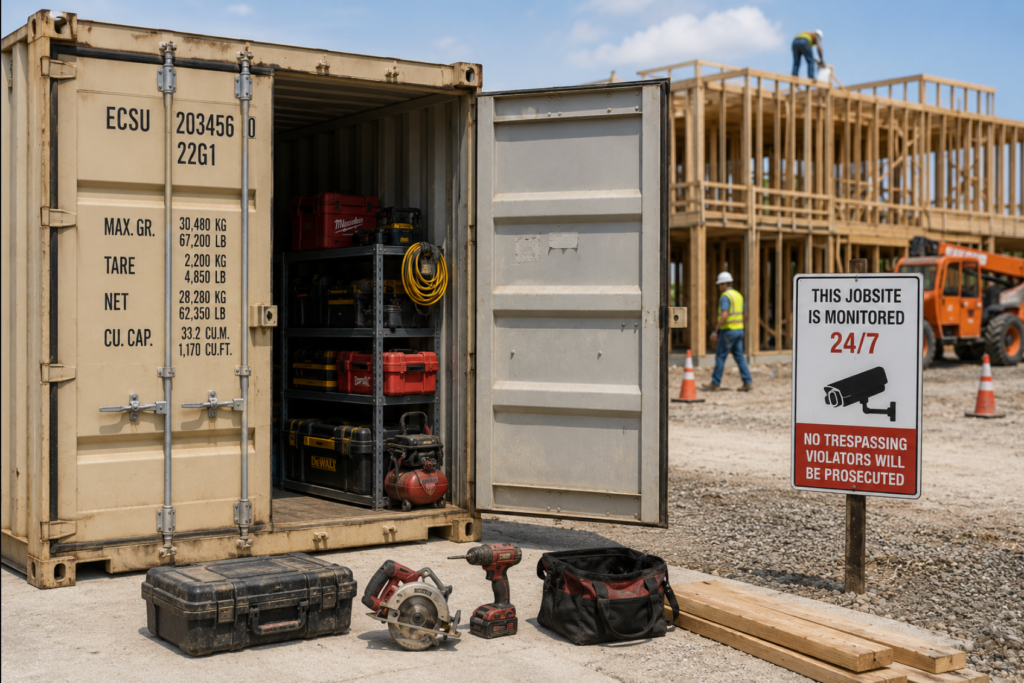
Every layer above buys you time. This is the one that stops the grab. When the crew clocks out, the tools, the small equipment, and the materials go into a locked steel shipping container, and that is the difference between a bad weekend and a normal Monday. See our construction site storage container guide for more details.
A container is not a job box and it is not a plastic shed. It is corten steel with heavy doors, and with a lockbox welded over the padlock, the padlock itself is shielded from bolt cutters. It shrugs off weather too, so your drywall and copper stay dry as well as secure. For most sites a 20ft container holds a full crew’s tools with room for materials, and a 40ft handles a big job. Our construction container size guide walks through picking the right one.
You can add a lockbox, extra hasps, or interior shelving to make it work harder. We cover those in our container modifications guide.
Securing the heavy equipment
The machines need their own plan, because you cannot lock a skid steer in a box. A few habits make them a poor target:
- Pull the keys and use a hidden kill switch so it will not start
- Park the big machines in a tight ring at night so no single one can drive out
- Mark each one with your company ID and note that the numbers are registered
None of it is expensive, and all of it makes a thief work harder than they want to.
Lock up the same way every night
Most jobsite theft happens after hours, so the close-out matters as much as the gear. Put one person in charge of it each week and run the same short list every evening:
- Tools and small equipment into the container, doors locked
- Gate closed and locked, machines parked in their ring
- Quick count of the high-value items against your list
- Cameras and alarms armed before the last truck pulls out
For a site holding a lot of expensive equipment, a night guard or a roving patrol service is worth pricing out. It runs more than a camera, but on a high-value job the presence alone sends most thieves down the road.
Why the container is the anchor
You can run the whole security plan without owning your storage, but the contractors who have the fewest problems own their box and move it site to site. It shows up on the tilt-bed, sits where you want it, and rolls to the next job when this one wraps.
Buying outright is the lowest total cost if you have the cash. If you would rather keep the capital working, rent-to-own puts a container on your site now with no credit check, income-based approval, and terms from 12 to 48 months, and it is yours at the end. See the rent-to-own program for how contractors set that up.
There is an insurance angle worth a mention too. Documented, locked storage can help your claim if you ever do get hit, and some carriers look more kindly on a secured site. Keep the receipts and the inventory list.
Why E&S
We have delivered more than 13,000 containers across Florida and Georgia since 2010, a lot of them to contractors who needed secure storage on a jobsite yesterday. Our owner is a licensed container surveyor with over 30 years in the industry, and our own licensed, insured drivers place your container on tilt-bed trailers, so you are not waiting on a crane or a third-party hauler.
Better containers and professional service, right at the job site.
Frequently asked questions
Does a shipping container really stop jobsite theft?
Nothing stops a determined thief with unlimited time, but a locked steel container removes the easy grab, and easy is what most jobsite thieves are after. Paired with a fence, lights, and a camera, it takes most sites off the target list.
What kind of lock should I use?
New 1-trip containers come with a lockbox already installed on the container doors deterring bolt cutters from cutting off pad locks. Or, lockboxes can be installed on used containers as well.
Do I need a permit to put a container on a jobsite?
On an active site under a building permit, a temporary storage container is usually covered and needs no separate permit, but rules vary by city and by how long it stays. Call your local building department before delivery to be sure.
Can I move the container between job sites?
Yes. If you own it or are on a rent-to-own term, we can relocate it within our Florida and Georgia service area, so it follows your crew from one job to the next, but the container has to be empty to be transported.
Ready to lock down your site?
Call E&S Equipment at (800) 995-2417 and we will get a secure container placed on your job site fast, by purchase or rent-to-own. Serving Florida and Georgia with better containers and professional service since 2010.
0 Comments