
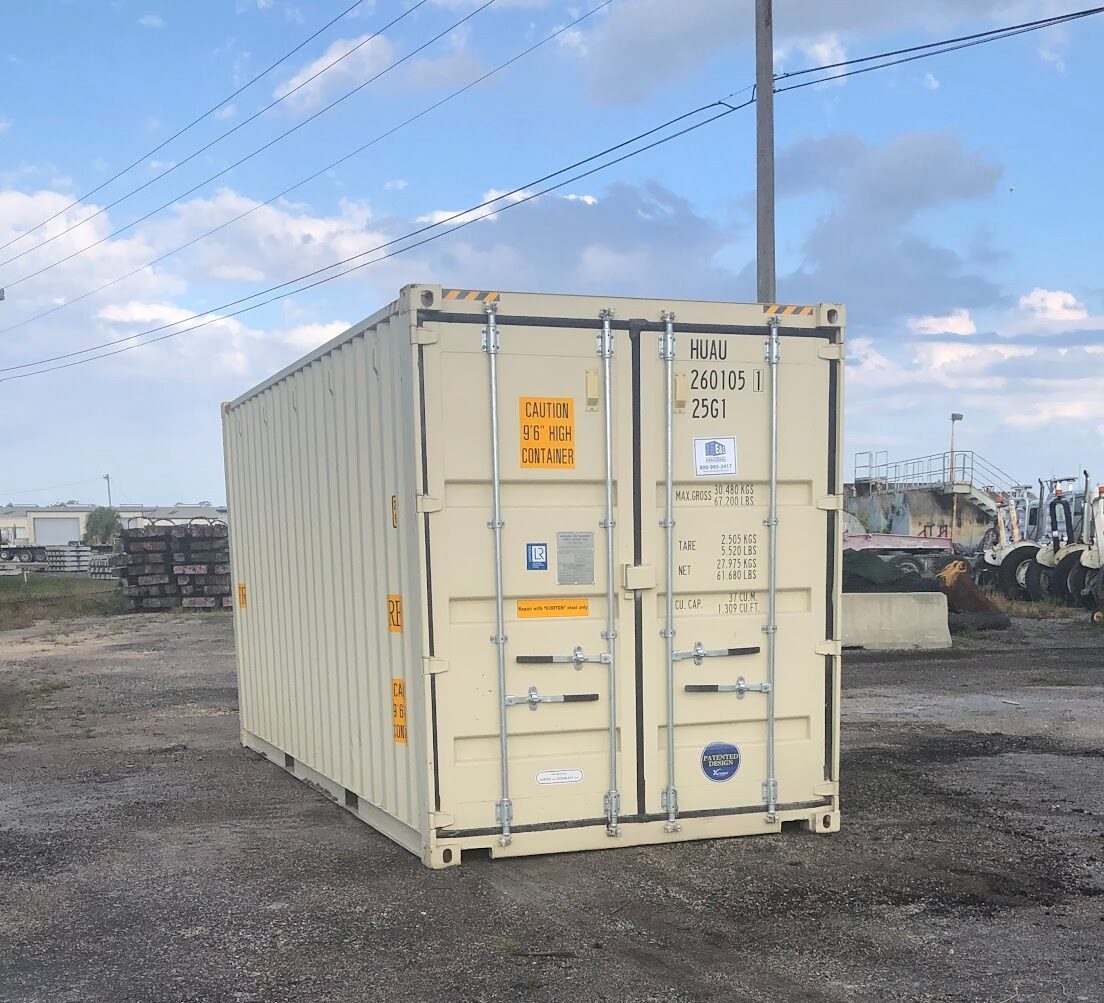
A quality steel shipping container is one of the most durable storage solutions you can buy. These things are literally built to survive ocean crossings, salt spray, and stacking forces that would crush most structures. With some basic care, your container can easily last two decades or longer.
But here’s the thing most people don’t realize: the single biggest factor in how long your container lasts isn’t maintenance. It’s the container you start with.
We’ve been selling and inspecting containers across Florida and Georgia since 2010, and our owner Michael is a licensed container surveyor with over 30 years in the intermodal industry. That kind of hands-on experience has taught us exactly what separates a container that holds up beautifully from one that becomes a headache. And we want to share that knowledge with you.
This guide covers everything from picking the right site to seasonal upkeep, so your container keeps looking and performing the way it should.
It all starts with the container you choose
Not every container on the market is created equal, and picking the right grade for your needs makes a massive difference in how much (or how little) maintenance you’ll deal with down the road.
New one-trip containers have only made a single overseas voyage. The factory coatings are still intact, the Corten steel hasn’t been weathered, and the door seals are fresh. For customers who want minimal upkeep and maximum longevity, these are hard to beat. They come with a 5-year warranty from E&S Equipment.
Cargo Worthy containers are used units that have been inspected and certified to still meet structural and shipping standards. These are the sweet spot for most buyers. You’re getting a container with years of solid service life ahead of it, at a lower cost than new. Our licensed surveyor inspects every Cargo Worthy container we sell, and they carry a 2-year warranty.
Wind and Water Tight containers are guaranteed to keep the elements out, but they show more cosmetic wear and need a bit more attention from the start. These carry a 90-day warranty and work well for buyers who are comfortable with some hands-on care.
One thing worth mentioning: we’ve seen competitors sell Wind and Water Tight containers while calling them Cargo Worthy. That’s a real problem in this industry, and it’s something we feel strongly about. An educated buyer is always going to make a better decision, which is why we’re transparent about grading.
Where you put it matters more than you’d think
You could buy the best container on the market and still run into issues if the placement is wrong. Good site prep isn’t complicated, but it does make a real difference.
Keep it off the ground
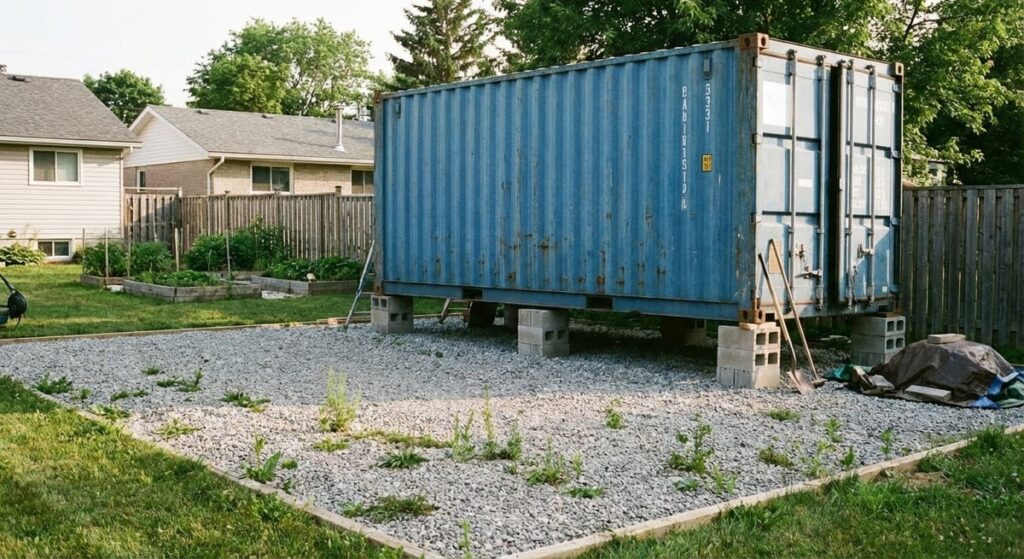
Never set a container directly on soil or grass. Ground contact traps moisture underneath with nowhere to go. Elevate your container 4 to 6 inches using pressure-treated lumber (6×6 or 8×8 beams), railroad ties, or solid concrete blocks. This lets air circulate underneath and prevents moisture from wicking up into the steel.
Use solid concrete blocks, not hollow core. And if you’re using treated lumber, look for ground-contact rated material (UC4A or better).
Think about drainage
Florida gets serious rainfall, especially June through September. You want the ground around your container sloped so water moves away from it, not pooling underneath. A 2% grade (roughly 2 inches of drop per 10 feet) in all directions does the job.
If your property doesn’t drain well naturally, a French drain system is worth considering. Standing water is the enemy here.
Lay down a gravel base
A 4 to 6 inch layer of crushed stone under your supports gives you good drainage and keeps vegetation from growing up around the container. Extend the gravel about 12 to 18 inches beyond the container’s footprint on each side. Use crushed stone or pea gravel, not sand.
Rust prevention starts before rust ever shows up
Let’s talk about rust for a second, because it’s the question everyone has about steel containers. And honestly? It’s a fair question. Steel and moisture are never going to be best friends.
Shipping containers are made from Corten steel, which is an alloy specifically designed for this. It contains copper, chromium, and nickel that form a natural protective oxide layer on the surface. That’s actually by design. The steel protects itself. It’s one of the reasons containers survive years of ocean crossings in some of the harshest conditions on the planet.
So can a shipping container rust? Sure, anything made of steel can. But will a quality container that’s properly placed and occasionally maintained develop serious rust problems? That’s a very different question, and the answer is almost always no.
What actually causes container rust in Florida and Georgia
Three things work together in our part of the country: humidity, temperature swings, and (for coastal folks) salt air.
Florida’s year-round humidity keeps moisture in the air pretty much constantly. On its own, that’s manageable. But when you add daily temperature swings, things get interesting. A container that heats up during a 95-degree afternoon and cools down at night can develop condensation on interior surfaces. That’s the moisture you really want to manage.
For containers stored near the coast (within about 10 miles of the ocean), salt air accelerates the process. Salt particles land on surfaces and actually pull moisture from the air, keeping those spots damp even between rainstorms.
The good news? Every single one of these factors is manageable with straightforward preventive steps. And most of them you’ve already read about: proper elevation, good drainage, ventilation, and the right coatings.
Where to focus your attention
You don’t need to inspect every square inch of your container. Certain areas deserve a closer look than others, and knowing where to focus saves time.
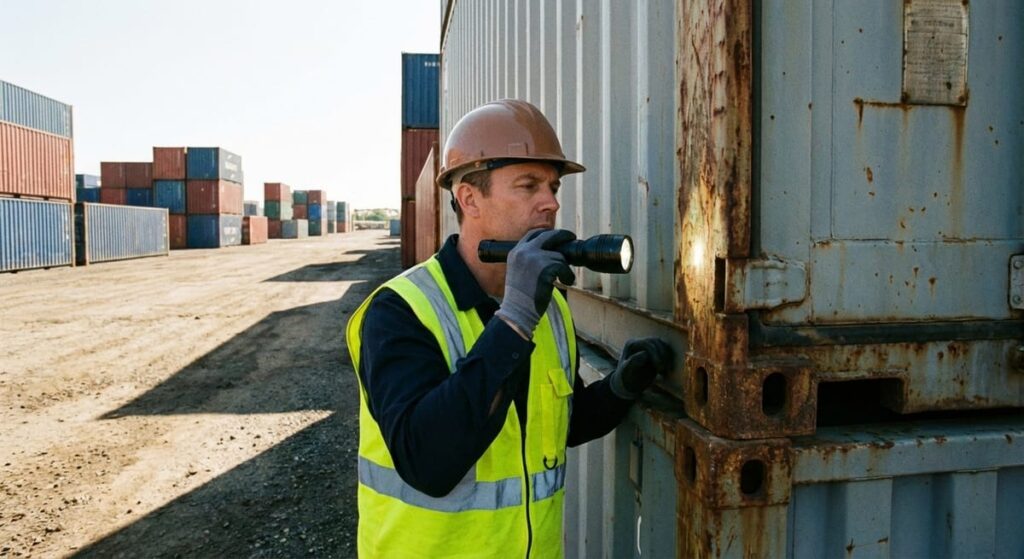
Door frames and seals are worth checking because rubber seals eventually crack from UV exposure (typically after 5 to 7 years in Florida). Once water gets into the door frame channels, it can cause issues from the inside out. A quick visual check of your seals takes 30 seconds.
The bottom edges and undercarriage sit closest to ground moisture, which is exactly why elevation matters so much. If your container is properly elevated on treated lumber or concrete blocks, this area gets good airflow and stays dry.
Roof valleys on corrugated roof panels can trap leaves, pine needles, and dirt that hold moisture. A quick sweep of the roof twice a year, especially after fall leaf drop, keeps things clean.
Any modification points like added doors, windows, or HVAC cutouts represent areas where the original factory coating was disturbed. These spots benefit from a little extra attention and a fresh coat of marine-grade paint after installation.
The takeaway here isn’t that containers are fragile. They’re the opposite. But like a truck or a metal roof, a little awareness about vulnerable spots goes a long way.
Coatings and surface protection
The factory coating on a container does a solid job out of the gate, but like any exterior finish, it gradually wears down over time. Recoating is pretty straightforward and goes a long way toward keeping your container looking sharp.
For containers stored inland, a quality oil-based enamel works well and typically lasts 3 to 5 years before needing a refresh. Coastal locations within about 10 miles of the ocean are a different story. Salt air is tough on steel, and marine-grade epoxy coatings are really the way to go. They last significantly longer (7 to 10 years) and handle the salt exposure much better.
A couple of practical tips on timing: Florida’s humidity can work against you if you’re painting during peak summer. The best window for coating projects is October through April, when humidity is lower. Early morning (7 to 10 AM) tends to give you the best conditions for application.
And here’s something people often skip: surface prep. Even the best coating won’t stick well if the surface isn’t clean and properly prepared. Take the time to do it right and your coating will last years longer.
Keeping the inside dry
Condensation is a common concern for first-time buyers in the humid Florida and Georgia climate, but it is a problem that quality engineering already helps solve. Every shipping container is manufactured with built-in vents designed specifically to help the unit breathe and prevent moisture buildup.
While many people assume condensation only comes from the air, it often occurs when moisture travels up through the floor of the container. This is exactly why we emphasize keeping your container elevated off the ground: by preventing direct contact with damp soil, you eliminate the primary source of interior humidity.
The level of natural ventilation depends on the grade of the unit you choose:
- Used Containers: These typically come standard with two vents to facilitate basic airflow.
- New 1-Trip Containers: These units are manufactured with multiple vents, providing superior ventilation for more sensitive storage needs.
If you are storing items that are particularly vulnerable to moisture, such as business documents, electronics, or fine furniture, you may still want to consider a dehumidifier. For permanent setups with access to a power source, an electric dehumidifier can maintain interior humidity at an ideal level between 50% and 60%. By combining the container’s factory-installed vents with proper elevation, you can ensure your property stays dry and protected for years to come.
Living near the coast? Here’s what to know
Containers within about 10 miles of the Atlantic or Gulf coast deal with salt air that’s constantly depositing microscopic salt particles on every surface. These particles actually attract moisture from the air, which means surfaces stay damp even when it hasn’t rained.
The good news is that managing this is straightforward. A monthly rinse with a garden hose removes the salt buildup before it can cause any real issues. Pay attention to the underside of the container, the channels around the door frame, and the roof valleys where salt tends to accumulate.
If you’re storing a container near the coast, marine-grade coatings aren’t a luxury, they’re a necessity. The investment pays for itself many times over in extended container life.
Hurricane season prep
Living in Florida and Georgia means hurricane season is part of life (June 1 through November 30). Before the season starts, it’s worth spending an afternoon on a few things:
- Check door seals for any cracking and replace if needed
- Clear debris from the roof and around the base
- Make sure your foundation supports are stable and haven’t shifted
- Secure any loose modifications
- Clear potential projectiles within 50 feet of the container
After any major storm, do a walkthrough. Check for water intrusion, look for any foundation shifting, and inspect the doors and locks. Catching small issues early keeps them from becoming bigger ones.
Simple touch-up repairs anyone can handle
Spotted a small area where the coating has worn through or a minor surface blemish? Most small touch-ups are totally doable as a weekend project. Here’s a straightforward approach:
Clean the area first. Use mineral spirits and clean rags to remove dirt and any loose material. Keep wiping until the rag comes away clean.
Prep the surface. A wire brush or a small angle grinder with a wire wheel takes care of any flaking. Work during the morning after any overnight dew has dried off.
Apply a rust converter. Products like Corroseal or Rust-Oleum Rust Reformer chemically convert any surface oxidation into an inert compound. Apply it liberally and give it a full 48 hours to cure in Florida’s humidity before moving on.
Prime the bare steel. Two thin coats of marine-grade primer, with about 6 hours between coats, give you a solid foundation. Thin coats perform better than one thick one.
Finish with a topcoat. Two coats of marine-grade topcoat, 24 hours apart, and you’re done. Extend the new coating 2 to 3 inches beyond the original affected area for a seamless blend.
The whole project takes about 6 to 8 hours of actual work, spread over 3 or 4 days to allow for drying time. Not bad for something that keeps your container protected for years.
A note on when to call a professional: If you ever notice anything affecting structural components like corner posts, floor supports, or crossbeams, that’s when you want a professional assessment. Our team can evaluate the situation and help you figure out the best path forward. Reach out to us at 800-995-2417.
Your seasonal maintenance checklist
Think of container maintenance like car maintenance. A little bit of regular attention keeps everything running smoothly and prevents small things from becoming big things.
Monthly quick check (15 minutes)
Walk around the container once a month and glance at the door seals, check for any standing water on the roof, and confirm your foundation blocks haven’t shifted. Take a quick photo of each side from the same angle. You’ll thank yourself later if you ever need to compare how things looked three months ago.
Spring (February through May)
This is a great time for a thorough exterior cleaning. Wash off any grime or salt buildup that accumulated over winter. Check your coating and touch up any spots that need attention before summer’s heat and humidity arrive. Inspect door seals and replace any that are cracking or deteriorating.
Summer (June through August)
Check your foundation for stability, especially before hurricane season. Make sure door locks and handles are operating smoothly. Clear the area around your container of anything that could become a projectile in high winds.
Fall (September through November)
Fall is the sweet spot for bigger maintenance projects, especially full recoating. Humidity drops, temperatures are moderate, and paint cures better. Take care of any storm damage from the summer promptly.
Winter (December through January)
Monitor interior conditions for condensation. Make sure your ventilation system is functioning properly. Check stored items for any signs of moisture.
Longer-term milestones
Around years 3 to 5, plan for a full exterior recoat, especially if you’re near the coast. Between years 5 and 7, door hardware usually benefits from lubrication, adjustment, and possibly new seals. At year 10 and beyond, it’s worth having someone take a look at your foundation supports to make sure they’re still solid.
If your container needs CSC recertification for international shipping, that’s typically every 5 years or so. Our licensed surveyor handles those inspections.
Tips for businesses with multiple containers
If you’re managing several containers, a little organization saves a lot of time and money.
Schedule maintenance on multiple units during the same visit. Keep a simple log for each container tracking inspection dates, any work done, and coating history. This kind of documentation also helps with budgeting and can increase resale value down the road.
For fleets of 10 or more, consider setting aside a reserve fund for annual maintenance. It smooths out costs and keeps you from dealing with deferred maintenance headaches.
We provide fleet inspection services for businesses across Florida and Georgia. Give us a call at 800-995-2417 to discuss volume options.
Protect your investment with confidence
A well-maintained shipping container is one of the most reliable, long-lasting storage solutions available. And the truth is, most of the care involved is simple, affordable, and something any homeowner or business owner can handle.
The real key? Start with a quality container from a supplier you trust. When every unit is inspected by a licensed surveyor before it reaches you, you’re already ahead of the game.
Whether you need a container for your home, farm, or business in Florida or Georgia, we’re happy to walk you through your options and answer any questions about long-term care. Speak with Michael or Jackie at 800-995-2417. We’ve got plenty of sizes, styles, and conditions to match your project, whether you’re an individual, business, or agricultural buyer.
E&S Equipment Sales has been serving Florida and Georgia with better containers and professional service since 2010.
Common questions about container care
How often should I check on my container?
A quick 15-minute walkthrough once a month covers the basics. Do a more detailed inspection each quarter, including the undercarriage and roof. For coastal locations, an annual professional inspection is a smart investment.
Does the type of container I buy affect how much maintenance I’ll need?
Absolutely. New one-trip containers need the least attention since their coatings and seals are fresh. Cargo Worthy containers need modest annual care, mostly preventive coatings and occasional spot treatments. Wind and Water Tight containers need more frequent attention, so they’re best for buyers who are comfortable with some hands-on work.
What kind of paint should I use?
Marine-grade epoxy coatings are the gold standard, especially for coastal storage. Standard hardware store paint doesn’t hold up well in Florida’s humidity. The upfront cost of marine-grade products is higher, but they last 3 to 4 times longer.
Do I need to treat the inside of my container?
It depends on what you’re storing. If the contents are moisture-sensitive, applying a mold-resistant coating and installing ventilation makes a big difference. For storing equipment, tools, or other durable items, basic ventilation is usually enough.
What’s Corten steel, and why does it matter?
Corten steel is the specialized alloy used in shipping containers. It contains copper, chromium, and nickel, which help it form a natural protective oxide layer. This built-in corrosion resistance is a big part of why containers last as long as they do.
Will my shipping container rust in Florida?
All steel can develop surface oxidation over time, but a quality container with proper placement and basic upkeep will stay structurally sound for decades. The biggest factors are starting with a well-inspected container, keeping it elevated off the ground, and maintaining the exterior coating. Coastal containers need a bit more attention (monthly rinses and marine-grade coatings), but the maintenance is simple and straightforward.
Is surface rust on a shipping container something to worry about?
Light surface discoloration is cosmetic and easy to address with a wire brush and rust converter. It’s not a structural concern. The key is to treat it when you notice it rather than letting it sit for years untouched. A quick touch-up keeps it from progressing, and in Florida’s climate, catching it early makes the difference between a 30-minute fix and a bigger weekend project.
0 Comments