

If you’ve researched shipping container costs in the United States, you’ve seen quotes ranging from $2,800 to $4,500 for similar units. This pricing confusion isn’t random. When you understand what drives shipping container prices, you can make confident purchase decisions without overpaying, and our buying a shipping container guide can help you compare options.
At E&S Equipment Sales, we believe educated buyers make better decisions. With 30+ years in the intermodal container industry and 11,000+ containers sold, we’ve seen every pricing scenario. This guide breaks down five primary factors affecting container costs, explains why prices vary between suppliers, and provides a transparent market context.
Container Condition Grade: The Primary Price Driver
The single biggest factor influencing shipping container prices is condition grade. Two 20ft units can differ by $1,500 based solely on quality rating, yet many suppliers blur these distinctions to justify higher prices for lower-grade containers.
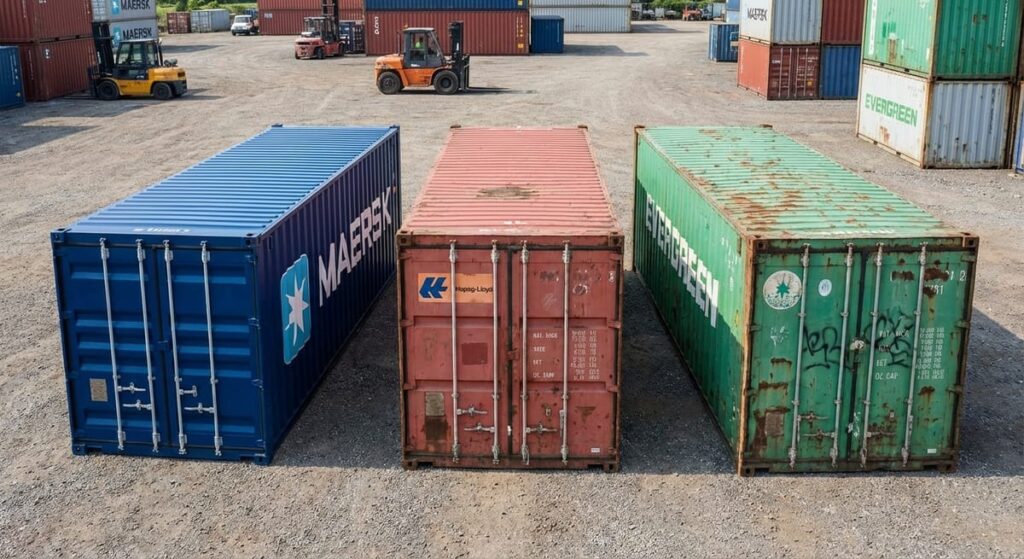
Understanding the Three Container Quality Grades
New One-Trip Containers represent the highest quality available. These containers made exactly one journey from China to North America before retirement from ocean service. They feature pristine paint, zero rust, structurally perfect floors and walls, and factory-fresh door seals.
These containers include valid CSC (Container Safety Convention) certification and carry 5-year structural warranties. The CSC certification plate displays manufacturing date, maximum gross weight capacity, tare weight, and last inspection date. This certification ensures the container meets international safety standards for structural integrity.
Cargo Worthy Containers represent the sweet spot for most buyers. These units completed multiple ocean voyages but remain certified safe for international shipping. They show honest wear like surface rust, minor dents, and faded paint, but all structural elements remain sound and watertight. Most importantly, Cargo Worthy containers include valid CSC certification from licensed surveyor inspection.
Our certified surveyor examines each Cargo Worthy container according to international standards: corner post integrity, cross member condition, flooring for soft spots or holes, door seal functionality, and weathertight performance. If a container doesn’t meet these standards, we downgrade it or reject it entirely.
Cargo Worthy containers hold up well in Florida’s heat and humidity without compromising what’s inside. Door seals stay functional through summer temperatures that regularly push past 95°F, and they handle the occasional cold snap without issue either.
Wind & Water Tight (WWT) Containers are storage-grade only, not certified for ocean transport. These units feature doors that seal properly and roofs/walls that don’t leak, making them suitable for secure storage. However, WWT containers may have extensive surface rust, repaired panels, or cosmetic damage that disqualifies them from cargo certification. They include 90-day warranties.
Why E&S Doesn’t Sell As-Is Containers
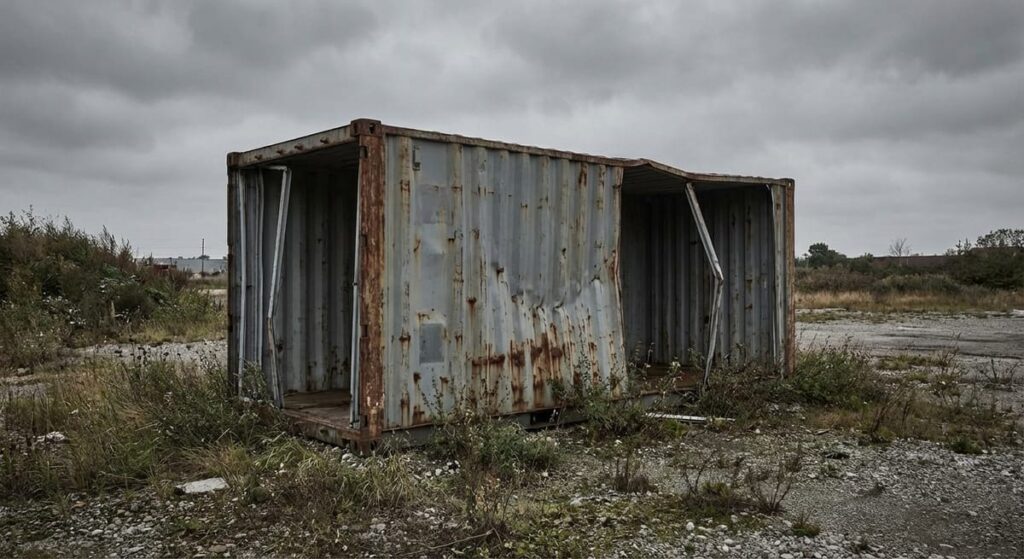
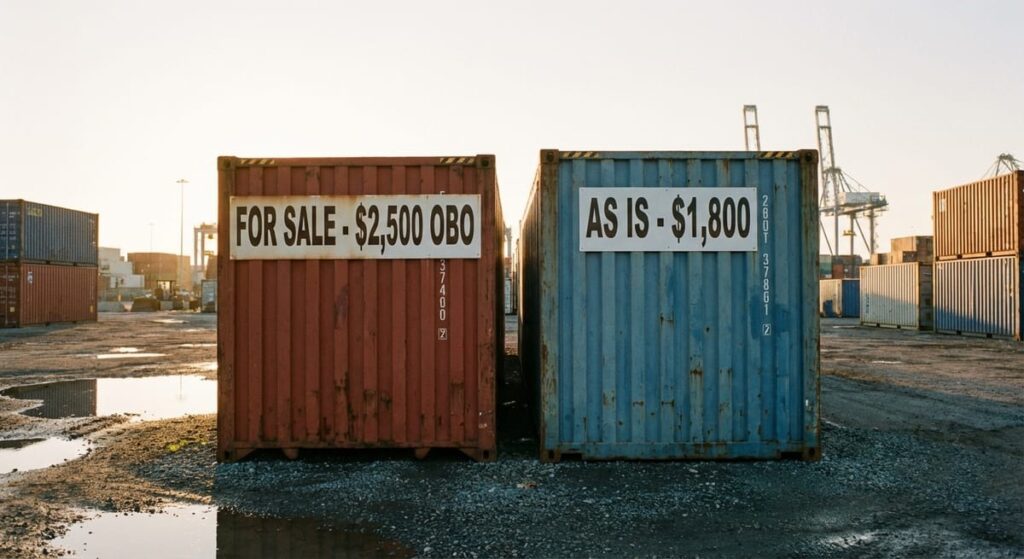
Some competitors offer “As-Is” containers at rock-bottom prices. These units may have significant structural damage, extensive rust-through, compromised floors, or doors that don’t seal. At E&S Equipment Sales, we refuse to sell As-Is containers because structural integrity matters.
Safety concerns with compromised containers extend beyond simple inconvenience. Structurally weakened corner posts can fail under load when containers are stacked or lifted. Deteriorated floors create fall hazards and won’t support heavy equipment safely. Poor door seals allow moisture infiltration that damages stored goods and accelerates internal rust.
Container Safety Standards That Impact Pricing
The Container Safety Convention (CSC) establishes international standards for container construction and maintenance. Every certified container displays a CSC plate showing its approval number, date of manufacture, and inspection schedule. Containers require re-certification every 30 months through inspection by an approved examiner, a service E&S Equipment Sales provides in-house through our licensed surveyor. For more background, see shipping container facts.
For customers planning to export goods internationally, CSC certification isn’t optional. Shipping lines refuse to load non-certified containers, and customs authorities can reject entire shipments.

Container Size, Configuration Type, and Delivery Costs
Beyond condition grade, three variables significantly impact your total investment: container size, configuration type, and delivery distance from depot facilities.
Standard Container Sizes and Configuration Pricing
| Container Type | Floor Space | Internal Dimensions | Price Premium |
| 20′ Standard Height | 160 sq ft | 19’4″ × 7’8″ × 7’10” | Base price |
| 40′ Standard Height | 320 sq ft | 39’5″ × 7’8″ × 7’10” | +30-50% |
| 40′ High Cube | 340 sq ft | 39’5″ × 7’8″ × 8’10” | Additional premium |
Specialty Container Configurations:
Double Door Containers (cargo doors at both ends) facilitate drive-through access and work well for businesses needing frequent access or creating flow-through workshops.
Open Side Containers provide full-length side access for oversized cargo loading, valuable for lumber yards or equipment dealers handling materials too long for end-door loading.
10-Foot Containers offer compact storage for tight urban spaces where full-size containers won’t fit, though limited availability affects pricing.
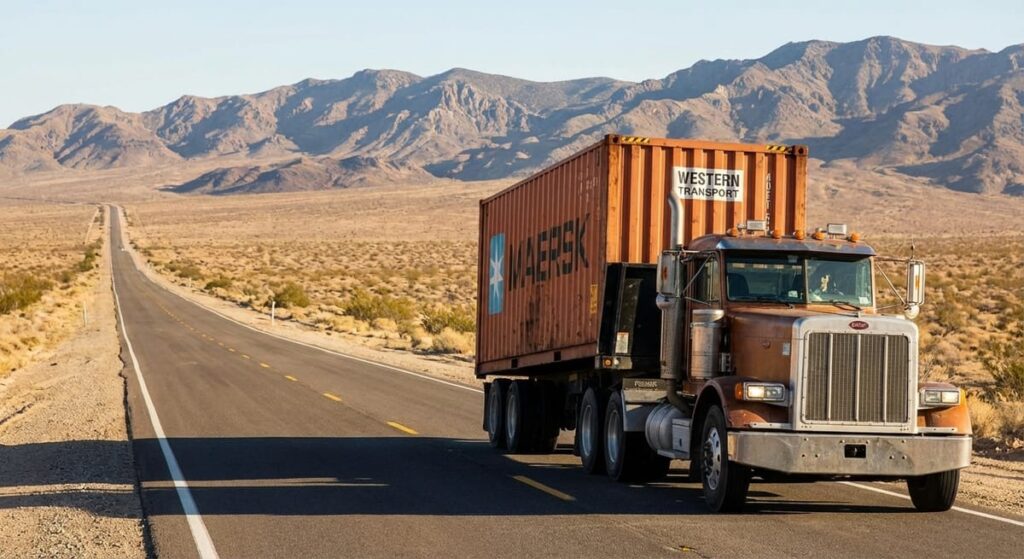
How Distance From Depot Impacts Delivery Costs
Container delivery represents a significant portion of your total investment. E&S Equipment maintains depot inventory in Miami, Jacksonville, and Savannah, so your container doesn’t need to travel across the country before reaching your property. Delivery cost is calculated from whichever depot is closest to you, which keeps transportation charges reasonable for customers throughout Florida and Georgia.
At E&S Equipment Sales, we employ CDL-licensed drivers with specialized tilt-bed equipment designed for safe container placement. We include site placement in your delivery quote with no surprise charges for precise positioning.
Delivery Requirements and Site Preparation
Successful container delivery requires advance site preparation. Our transport setups are over 65 feet in total length, comprising a 45-foot container trailer and an additional 20-foot truck. Because of this massive size, we require clear access paths at least 12 feet wide with an overhead clearance exceeding 14 feet. You will also need sufficient straight-line space for the driver to safely pull out from under the container.
We recommend preparing a level gravel pad (minimum 4 inches of compacted gravel) extending 2 feet beyond the container’s footprint on all sides. This foundation prevents settling, facilitates drainage, and protects the container’s floor from ground moisture.
Rainy season conditions on unpaved rural roads can sometimes complicate delivery timing in Florida. Soft ground from heavy rains makes placement trickier, so planning your delivery during drier stretches or making sure your site has a solid gravel pad can save you some headaches.

Container Modification Costs
Many buyers enhance containers with modifications to suit specific applications. E&S Equipment Sales maintains in-house modification capabilities, a significant advantage over competitors who outsource this work. Our team handles everything from consultation through installation, ensuring modifications integrate properly with your container’s structure while maintaining CSC certification when required.
Common modifications include roll-up doors, personnel man doors, windows, ventilation systems, and custom paint.
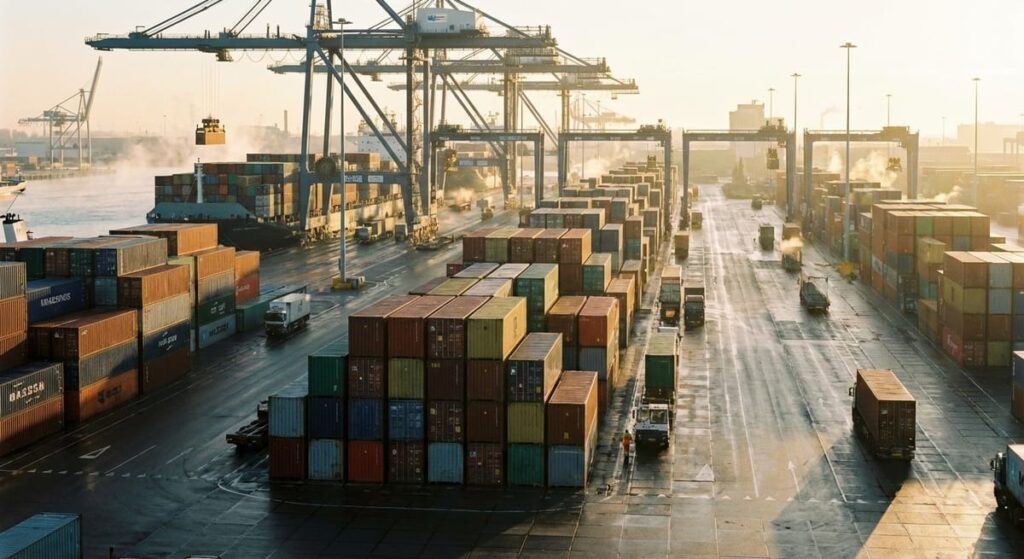
Market Dynamics: Supply and Demand Factors
Broader market trends influence what you’ll actually pay. Understanding these dynamics helps you time your purchase strategically and recognize when price fluctuations reflect genuine supply constraints rather than arbitrary markup.
Shipping Container Supply and Demand Cycles
The shipping container market depends heavily on coastal shipping patterns. When global trade volumes surge, shipping lines keep containers in circulation rather than retiring them for resale. This reduces available inventory at Southeast U.S. depots and can drive prices upward for buyers in Florida and Georgia.
The global container shipping industry operates on cycles tied to international trade flows. When Asian manufacturing increases and North American imports rise, shipping companies need every container for active cargo movement. These peak periods, which coincide with pre-holiday retail stocking in late summer, create temporary shortages in the resale market.
Port congestion at major shipping hubs like Savannah, Jacksonville, or Miami creates temporary inventory shortages even when overall supply looks healthy. Containers get stuck in transit or held for inspection, delaying deliveries and reducing immediate availability. Because E&S pulls inventory from multiple depot locations, we can often work around single-port delays that trip up smaller suppliers.
How Steel Prices Impact Container Manufacturing Costs
Container manufacturing costs fluctuate with global steel prices, directly affecting new container pricing. When steel prices spike, new One-Trip container prices can increase significantly within months. These impacts cascade to used container markets as well.
Seasonal Fluctuations in Container Pricing
Shipping container demand follows predictable seasonal patterns creating pricing windows for strategic buyers:
Late summer and fall (peak demand) sees agricultural buyers across Florida and Georgia securing storage for equipment and harvest supplies, while construction companies push to lock in containers before year-end budget deadlines. Hurricane season preparation also drives demand as homeowners and businesses look for secure storage. Prices can rise above baseline levels during these months.
Spring (Construction Season) brings building projects launching across Florida and south Georgia. Commercial contractors, municipalities, and residential builders compete simultaneously, keeping prices elevated.
Winter (Best Pricing Opportunity) offers buyer-favorable conditions when demand drops as agricultural activity pauses and construction slows. In Florida, winter delivery is actually the easiest time of year. You’re past hurricane season, the ground is typically drier, and our CDL-licensed drivers have clear roads and solid access paths.
Early Spring (March-April) sees costs begin climbing as construction season approaches. This is a good window to lock in pricing before the summer rush hits.
How Supplier Type Affects Shipping Container Costs
Perhaps nothing confuses container buyers more than discovering identical specifications quoted at wildly different prices. This discrepancy rarely reflects quality differences. Instead, it reveals the supplier’s business model.
Comparing Container Broker vs Direct Supplier Pricing
Container Brokers don’t own inventory. They maintain websites showing container types and prices, then source units from dealers or depot operators when orders arrive. Broker margins add significant markup per container, passed directly to you.
Brokers introduce several risks. They may misrepresent container grades since they haven’t physically inspected units. Limited control over actual container condition leads to bait-and-switch scenarios. Additional fees for delivery, placement, or “handling” appear after initial quotes. You’re buying sight-unseen from unknown sources with no ability to inspect containers before shipment, and customer service challenges arise when problems surface.
Direct Container Suppliers like E&S Equipment Sales own inventory, maintain depot facilities, and control the entire transaction from sourcing through delivery. This integration eliminates middleman markup and provides transparent pricing.
Our direct supplier advantages include wholesale pricing where you pay rates large commercial buyers receive without broker markup. Our in-house operations mean our certified inspector examines every container, our modification team handles upgrades, and our CDL-licensed drivers deliver. We provide transparent grading with 30+ years intermodal experience. You reach the people who sourced, inspected, and delivered your container. We offer inventory visibility where you can visit our yard, inspect containers before purchase, and select specific units.
The E&S Equipment Sales Direct Solution Advantage
Every container we sell passes through our licensed surveyor’s inspection. Our surveyor’s license means we issue CSC certifications directly, streamlining the process for agricultural exporters or businesses shipping cargo internationally.
Our surveyor inspection covers the structural essentials: corner post integrity, cross member condition, floor soundness (checking for soft spots or holes), door seal function, and weathertight performance. If a container doesn’t pass, we downgrade it or pass on it entirely.
We handle modifications in-house rather than outsourcing to fabrication shops. Our modification facility maintains proper welding certifications and follows AWS (American Welding Society) standards for structural steel work.
Red Flags When Comparing Container Quotes
Arm yourself with these warning signs to identify problematic supplier practices:
- If a price looks too good to be real, it probably is. Containers quoted way below market almost always involve hidden costs or a grade that’s been misrepresented.
- Watch out for vague descriptions like “good condition” or “lightly used” without any mention of CSC certification. That’s usually a sign the seller doesn’t want you looking too closely.
- Be cautious about non-refundable deposits before you’ve had a chance to see the container. That shifts all the risk onto you.
- No physical depot? That’s a problem. Online-only brokers working from another state give you zero recourse when something goes wrong.
- Pressure tactics are another red flag. “Only two left at this price” is a sales move, not a service move.
- If the CSC plate is missing or expired, walk away. Any supplier selling Cargo Worthy containers should be able to show current certification.
- Pay attention to delivery language. There’s a real difference between “delivery to property” and “placement at your requested location,” and some suppliers use that ambiguity to tack on extra charges.
At E&S Equipment Sales, we encourage you to compare our quotes to any competitor’s offer. If there’s a price difference, we’ll explain exactly why: grade variation, delivery distance, included services, modification quality, or supplier type.
Total Cost of Ownership Perspective
Smart container buyers look beyond initial purchase price to evaluate total ownership costs over the container’s usable life. A Cargo Worthy container costing more than a Wind & Water Tight unit might deliver better value if it provides additional years of reliable service without requiring repairs.
Think about maintenance when comparing grades. New One-Trip containers need very little attention for the first several years. Cargo Worthy containers might need some minor rust treatment and paint touch-ups over time, but plenty of these units stay in solid service well beyond what people expect. We recently sold three 20-foot containers to a repeat corporate customer, and one of them was manufactured in 2004, still certified Cargo Worthy after more than 20 years. Wind and Water Tight containers will need more upkeep from day one, which is part of why they’re priced lower..
Make Your Container Purchase With Confidence
Shipping container pricing becomes straightforward once you understand the five driving factors: condition grade (which matters most), container size and configuration, delivery distance, market dynamics, and supplier business model. Armed with this knowledge, you can evaluate quotes intelligently, recognize fair pricing, and avoid common pitfalls.
At E&S Equipment Sales, our commitment to transparent pricing sets us apart. We believe informed customers make better decisions, and better decisions lead to satisfied customers who become long-term partners.Ready to get started? Request your free quote today. We’ll provide specific pricing for your exact requirements with zero hidden fees. Call us at 800-995-2417 to speak with our team.
Frequently Asked Questions
What factors affect shipping container prices the most?
The primary factors that drive shipping container costs include condition grade (new vs used containers), container size (40ft containers cost 30-50% more than 20ft containers), delivery distance from depot facilities, seasonal supply and demand fluctuations, and supplier type (brokers add markup vs direct suppliers). Condition grade makes the single biggest difference in pricing.
What is the average cost of a shipping container in Saskatchewan?
Used 20-foot Cargo Worthy containers range from $2,100 to $3,000, while Wind & Water Tight storage-grade units run $2,800-$3,400. New 20-foot one-trip containers range from $5,500 to $7,000. For 40-foot containers, used Cargo Worthy units range $2,600-$3,600, while new containers cost $8,000-$11,000. Always add delivery costs based on your distance from depot facilities.
What’s the difference between Cargo Worthy and Wind & Water Tight containers?
Cargo Worthy containers are inspected and certified for ocean shipping with valid CSC plates showing current certification dates. They’re structurally sound enough for international transport and include 2-year warranties. Wind & Water Tight containers are storage-grade only, doors seal properly and roofs don’t leak, but they’re not certified for export and come with 90-day warranties.
How do seasonal factors affect container costs?
Container demand follows seasonal patterns creating significant pricing windows. Winter months (December-February) offer the best pricing when agricultural activity pauses and construction slows. Spring sees construction season price increases starting March-April. Late summer and fall represent peak pricing (August-October) when agricultural buyers stock up and construction projects accelerate.
Should I buy a new or used shipping container?
Choose new one-trip containers when you need pristine appearance for customer-facing applications, maximum longevity of 20+ years, or export certification with 5-year structural warranty. Select used Cargo Worthy containers for ocean shipping on a budget, reliable storage with 10-15 year lifespan, and 2-year warranty protection at mid-range pricing. Choose Wind & Water Tight containers for cost-effective storage where budget optimization outweighs longevity concerns.
How does container availability impact pricing?
Container shortage conditions drive prices upward when global trade volumes surge and shipping lines keep containers in active circulation. Port congestion creates temporary supply constraints affecting availability. Strategic buyers monitor these market trends to time purchases during lower-demand periods for better pricing.
0 Comments