
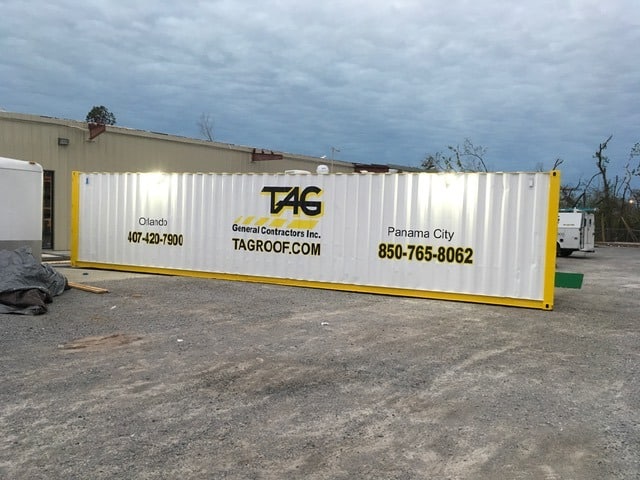
Last month, a Tampa contractor called us three weeks into his project. He’d rented a 20ft storage container for his 12-person crew. By week two, materials were stacking outside because nothing fit. The “savings” from choosing the smaller shipping container size cost him $800 in a second rental plus the headache of managing two units on a tight residential lot.
Choosing construction site shipping containers seems straightforward until you’re making the actual decision. Then you’re juggling size calculations, rental versus purchase math, delivery logistics, and trying to figure out what cargo container grade actually works for your needs.
We’ve helped Florida and Georgia contractors work through these container decisions since 2010. Here’s what actually matters when selecting storage containers for construction sites.
Looking for ideas beyond construction storage, see these shipping container business ideas.
What Makes Shipping Containers Work for Construction Storage
A construction storage container is a repurposed shipping container, sometimes called a cargo container, conex box, or intermodal container, designed for job site use. These steel boxes originally transported cargo across oceans, but their durability, security, and weather resistance made them perfect for construction applications.
The typical job site storage container features:
- Heavy-duty corrugated steel walls (14-16 gauge)
- Marine-grade plywood or bamboo flooring
- Lockable cargo doors at one or both ends
- Weather-tight seals preventing water intrusion
- Load capacity of 60,000+ pounds when properly supported
Unlike flimsy job site sheds or portable storage units, these containers withstand everything from Florida hurricanes to Georgia ice storms. They’re designed for intermodal transport, so relocating them between construction sites creates zero hassle.
Common Construction Site Uses
Understanding these applications helps you choose the right container size and configuration for your specific project needs.
Secure tool and equipment storage is the most common application. Power tools, hand tools, generators, and safety equipment stay protected from theft and weather. Construction sites lose $300 million to $1 billion annually to equipment theft according to the National Equipment Register.
A 20ft shipping container handles tools for crews up to 8 people. Larger crews need 40ft containers or multiple storage units organized by trade.
Material storage prevents delivery delays and gives you leverage with bulk purchasing. A Jacksonville contractor we work with orders materials three weeks ahead at bulk pricing, storing everything in two 40ft cargo containers. He saves 15-20% compared to just-in-time delivery.
Temperature-sensitive materials like paint and adhesives need climate control. A 40ft container modified with HVAC solves this for around $2,500-3,500.
Mobile construction offices give project managers somewhere to work beyond their truck cab. Total modification costs run $3,500-7,500. Compare that to mobile office trailer rentals at $400-700 monthly, ownership pays for itself within 12-18 months for contractors running multiple projects annually.
Worker break rooms keep crews on-site during lunch, saving 30-45 minutes daily. OSHA requires adequate break facilities, and a simple setup costs $2,000-4,000 in modifications.
Secure hazmat storage prevents OSHA violations. Modifications include turbine vents, spill containment flooring, and separate lockable compartments.
Equipment charging stations eliminate the “dead battery chaos” that kills morning productivity. One Atlanta contractor installed 20 charging stations in a 40ft container, his crews start each morning with fully charged equipment instead of waiting 30 minutes.
Choosing the Right Storage Container Size for Your Construction Crew
Start with crew size, that number drives everything else when selecting construction site storage.
Small crews (1-5 people): One 20ft container (1,172 cubic feet, 160 square foot footprint) handles tool storage and basic materials. Perfect for residential renovations where space runs tight. Internal dimensions: approximately 19’4″ long × 7’8″ wide × 7’10” high.
A 20ft storage container works for:
- Residential remodeling projects
- Small renovation crews
- Equipment storage for specialized trades
- Material staging on tight urban sites
Medium crews (6-12 people): A single 40ft container delivers 2,390 cubic feet, double the capacity for roughly 50% more cost. Most contractors this size prefer one 40ft over two 20ft units. Simpler logistics, single delivery fee, easier to secure. The extra length (39’5″ internally) accommodates longer materials without cutting.
A 40ft shipping container handles:
- Commercial renovation projects
- Multi-trade construction crews
- Bulk material storage
- Combined tool and equipment storage
Large crews (13-20 people): Plan on a 40ft high cube container (adds a foot of height for 2,700 cubic feet) or multiple containers. That extra vertical space lets you stack pallets four high instead of three.
Extra-large crews (20+ people): Multiple 40ft containers with specialized uses. Large commercial projects often use 6-10 containers organized by function, separate units for electrical tools, plumbing supplies, HVAC equipment, and general construction materials.
Measure your largest equipment against standard door openings, 7’8″ wide by 7’6″ high. A contractor in Atlanta ordered a 40ft container for equipment that measured 8 feet wide. The equipment lived outside under a tarp for six months because he never checked door clearances.
The buffer rule: If your calculations fill a container to 90%+ capacity, go one size larger. That extra space prevents mid-project headaches. An extra $50-75 monthly beats emergency secondary units.
Read our full guide on understanding shipping container grades & conditions.
Standard Container Modifications for Construction Applications
Basic shipping containers work great, but targeted modifications solve specific job site problems. Understanding common modifications helps you plan container configurations matching project requirements.
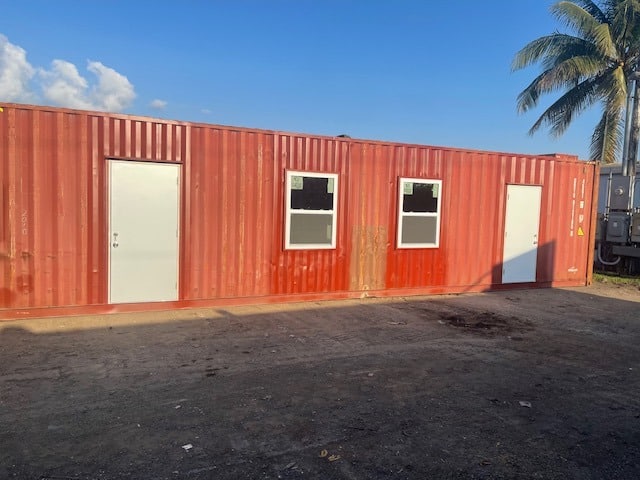
- Man doors eliminate the daily hassle of opening heavy cargo doors for quick access. Standard cargo doors weigh 200-300 pounds, fine for loading but annoying for grabbing a single tool. Man doors install on the side wall, typically 36″ wide by 80″ tall, with a proper door frame and three-point locking system.
- Roll-up doors speed up repeated loading and unloading. These aluminum doors replace standard cargo doors, opening upward like a garage door. One Atlanta contractor moving materials in and out 6-8 times daily cut his loading time by 40% after installing roll-up doors.
- Windows turn containers into functional workspace. Standard installations use either slider windows or awning-style windows with proper weather sealing. Contractors adding windows typically install 2-4 depending on container size and intended use.
- Wall-mounted AC units make containers usable in Florida summers and Georgia winters. A 12,000 BTU unit handles a 20ft container. 40ft containers need 18,000-24,000 BTU capacity. Include proper electrical service (typically 110V, 20-amp circuit minimum).
- Insulation and interior finishing creates comfortable workspace. Spray foam insulation performs best, preventing condensation issues that batt insulation can’t solve in metal containers. Add interior wall panels, LED lighting, and vinyl flooring for professional appearance.
- Shelving and organization systems maximize storage capacity. Heavy-duty industrial shelving mounts to container walls, creating organized tool storage. Include pegboard walls for hand tools, overhead storage for longer materials, and designated sections for different trades.
- Ramps and accessibility simplify equipment loading. Steel ramps bolt to the container frame, supporting everything from hand trucks to small forklifts. Adjustable height ramps accommodate different trailer heights.
- Lock boxes provide serious security. These steel boxes cover cargo door latches, requiring a key or combination to access. One lock box protects both doors simultaneously.
- Custom paint improves appearance and site visibility. Many contractors choose high-visibility colors (safety yellow, bright orange) or company branding colors. Professional painting includes surface prep, primer, and two finish coats.
Electrical service powers tools and lighting. Basic installations include 110V service with multiple outlets, interior LED lighting, and exterior security lighting. Larger projects need 220V service for equipment or HVAC systems.
Most contractors ordering modifications combine 2-4 options. A typical “job office” conversion includes a man door, two windows, AC unit, basic insulation, and electrical service..
Seasonal Considerations for Florida and Georgia Construction Sites
Climate affects container performance and usability. Understanding seasonal factors helps you plan container specifications and timing.
Florida summers bring heat, humidity, and hurricanes. Temperatures inside unmodified containers easily hit 120-140°F. Any workspace or temperature-sensitive storage needs AC. Hurricane season demands serious anchoring, we recommend anchor points embedded in concrete foundations for areas prone to tropical storms.
A Fort Myers contractor learned this the hard way during Hurricane Ian. His unanchored containers shifted 15-20 feet despite weighing several thousand pounds. Contents scattered across the site. Cost him three days of cleanup and damaged materials. Proper anchoring prevents this.
Florida winters are mild, but January-February occasionally brings freezing temperatures. This matters for materials and paint storage. Brief cold snaps won’t damage most construction materials, but keep sensitive items protected.
Georgia summers match Florida’s heat without the hurricane risk. Inland Georgia sites face severe thunderstorms and occasional tornadoes. These pack powerful winds, proper foundation and tie-downs prevent container movement.
Georgia winters bring ice and occasional snow. Check that condensation doesn’t become an issue. Metal containers sweat when inside temperature exceeds outside temperature. This damages materials and creates slippery floors. Insulation plus ventilation solves this. One simple fix: crack the cargo doors 2-3 inches to allow airflow on moderate days.
Spring and fall deliver the best weather in both states for container use. Moderate temperatures mean unmodified containers work fine for most applications. This matters for timing: if you’re deciding between AC installation or not, starting your project in October versus June makes a huge difference in daily working conditions.
Weather also affects delivery timing. Summer thunderstorms create muddy site conditions in both states. Fall and winter typically offer better delivery conditions, ground stays firmer, fewer weather delays. Spring brings unpredictable weather but generally works fine.
Learn about summer heat protection to plan ahead for how you will store temperature-sensitive tools and inventory.
Cleaning and Maintaining Your Construction Storage Container
Construction sites generate massive amounts of dust, mud, and debris. While shipping containers are built from highly durable Corten steel, regular maintenance extends their lifespan and protects your investment. Routine cleaning prevents surface rust from taking hold, especially in the humid climates of Florida and Georgia where heavy rains and coastal moisture are constant factors.
We recommend a thorough exterior cleaning between job sites or every six months during long term projects. Removing built up grime, concrete dust, and organic matter keeps the weather tight seals functioning correctly and protects the exterior paint. For the best results, many contractors partner with industrial cleaning experts like Inland Power Wash to safely pressure wash the exterior without damaging the critical rubber door seals, HVAC units, or custom modifications.
Inside the unit, sweeping out debris weekly prevents moisture from trapping against the marine grade plywood flooring. Keep an eye on the roof and side panels. If you notice any deep scratches in the paint that expose bare steel from heavy machinery bumps, touch them up promptly with a rust inhibiting primer to maintain the container’s structural integrity and ensure years of reliable job site storage.
Common Container Supplier Red Flags
Not all container suppliers operate honestly. After 15 years in this business, we’ve seen every trick and heard every horror story. Here’s what to watch for:
Prices significantly below market ($500+ under typical pricing) signal problems. Either the containers are misrepresented (selling WWT as cargo worthy), damaged beyond what’s disclosed, or the company plans to disappear after receiving payment. Yes, this happens regularly. Legitimate cargo worthy containers can’t sell for $1,200 when market rate runs $2,100-2,800. The math doesn’t work.
Web-only operations with no physical location create problems. Where do you go when there’s an issue? Post-delivery problems need local resolution. Out-of-state brokers can’t solve on-site issues. We maintain a physical location specifically so customers can stop by, inspect inventory, and discuss needs face-to-face.
Vague delivery timelines (“2-3 weeks” or “when available”) often mean no actual inventory. They’re hoping to source your container after you pay. This creates unpredictable delays. We provide specific delivery dates in writing, typically 7-12 business days for in-stock containers.
No inspection or photos: Legitimate suppliers provide detailed photos and condition reports. “Trust us” isn’t acceptable for $2,500-5,500 purchases. Request photos of the actual container you’re receiving, not stock images.
Unclear delivery terms: Who provides delivery? When exactly? What if site access problems arise? Get written answers before committing. Verbal promises mean nothing when containers arrive damaged or late.
No licensing or insurance: Ask for delivery driver licensing and insurance verification. Unlicensed delivery causes property damage you’ll pay to repair.
Learn more about shipping container scams!
E&S Equipment Warranty Coverage and Support
Understanding warranty coverage prevents surprises and protects your investment in construction storage containers.
Our warranty coverage:
- New 1-trip containers: 5 years structural integrity and weather-tight performance
- Cargo worthy containers: 2 years same coverage
- Wind/Water tight containers: 90 days structural warranty
What warranties cover: Structural integrity (frame, walls, flooring), weather-tight sealing (no leaks under normal conditions), door operation (hinges, latches, seals), and cargo support (floor load capacity).
What warranties don’t cover: Normal wear from use, damage from improper placement, modifications performed by others, extreme events (hurricanes, tornadoes), and neglect or abuse.
E&S Equipment’s licensed surveyor ownership means issues get resolved through expertise, not excuses. With 15 years serving Florida and Georgia contractors, we understand construction site realities.
Our CDL-licensed drivers use our own trucks, not third-party logistics. They understand construction sites and coordinate with your crews. We verify placement, check levelness, and confirm you’re satisfied before leaving site.
This matters more than most contractors realize until they experience poor delivery. We’ve repaired damage from other suppliers who dropped containers on pavement, dragged them across landscaping, or placed them dangerously unlevel. Doing delivery right the first time prevents those expensive problems.
How to Order Construction Site Storage Containers from E&S Equipment
Call (800) 995-2417 or request a quote through the website. We’ll discuss project location, timeline, container needs, site access, and acquisition method. You’ll receive a written quote within 24 hours covering specifications, pricing, and warranty.
What sets E&S Equipment apart:
- Licensed container surveyor: Our owner is one of the few licensed surveyors in the industry. Every cargo worthy container passes professional inspection verifying structural integrity.
- In-house container modifications: We handle everything from man doors to complete office conversions. One supplier coordinates selection, modification, and delivery.
- Professional container delivery: CDL-licensed drivers use our own trucks. We understand construction site logistics and work directly with your crews for smooth placement.
- Flexible acquisition options: Buy, rent, or rent-to-own shipping containers with programs designed for contractors.
- 15 years serving Florida and Georgia: Since 2010, we’ve delivered over 11,000 containers. We understand regional conditions, local regulations, and construction industry needs.
- Professional memberships: Active memberships in the National Portable Storage Association (NPSA) and Florida Self Storage Association (FSSA), plus registration with SAM.gov for federal contracts.
FAQ
Can storage containers be stacked?
Yes. Container design allows stacking up to nine high when loaded. For construction sites, two-high stacking is common and requires no special reinforcement.
Will containers damage my property?
Properly placed containers on adequate foundations cause no damage. Weight distributes across four corner posts (each about 8″ × 8″). Following site preparation guidelines prevents problems.
Can I customize container colors?
Yes. Custom painting runs $800-1,800 depending on size and color complexity. Most containers come in shipping line colors (blue, green, beige, gray). Many contractors choose high-visibility safety colors.
Can I use shipping containers for permanent construction site storage?
Absolutely. Many contractors purchase containers for their home yards as permanent tool and equipment storage. Cargo worthy containers provide 10-15 years of service with minimal maintenance. New containers last 18-20 years.