
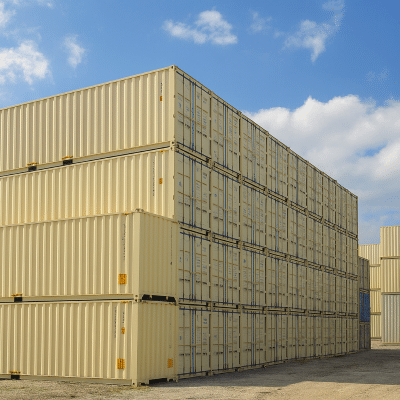
When you’re in the market for a shipping container, one of the biggest decisions you’ll face is whether to buy new or used. This choice impacts everything from your upfront costs to long-term maintenance, and making the wrong decision can cost you thousands. Whether you need secure storage for your business, a foundation for a container home, or reliable shipping capacity, understanding the real differences between new and used containers is crucial for making a smart investment.
At E & S Equipment Sales, we’ve helped thousands of customers navigate this decision over the years. In this comprehensive guide, we’ll break down everything you need to know about new vs. used shipping containers, including realistic cost expectations, lifespan estimates, and practical guidance to help you choose the perfect container for your specific needs.
Table of Contents
New vs. Used Container Comparison Chart
| Factor | New (One-Trip) | IICL | Cargo Worthy | Wind & Watertight | As-Is |
| Condition | Pristine, like-new | Excellent, premium used | Good, minor wear | Fair, functional | Variable, may need repairs |
| Maintenance Needs | Minimal | Minimal | Low | Moderate | High |
| Best For | Modifications, homes, premium storage | International shipping, premium applications | Quality storage, commercial use | General storage, temporary use | Budget projects, parts/repair |
| Availability | Excellent | Limited | Excellent | Excellent | Excellent |
| Modification Potential | Excellent | Excellent | Good | Fair | Limited |
*It’s important to remember, life span varies on where the container was placed into service. Caribbean shipping routes use shallow draft vessels where containers are closer to the water, and get more salt spray than that of trans-Atlantic or trans-pacific routes. Longer containers for example 45’ units are typically placed on the deck of a vessel, allowing heavy salt spray versus that of a 20’ unit.
Cost
New containers cost 50-100% more than used options, but offer maximum lifespan and lowest maintenance requirements. Used containers provide significant savings but may require additional investment in repairs or modifications.
Condition & Aesthetics
New containers arrive in pristine condition with uniform paint and no dents. Used containers show varying degrees of wear, from minor scratches on Cargo Worthy units to significant rust and damage on As-Is containers.
Expected Lifespan
New containers can last up to 20 years with minimal maintenance. Used container lifespan depends heavily on grade and previous use, ranging from 8-14 years.
Common Maintenance Needs
New containers require only basic preventive maintenance. Used containers may need paint touch-ups, rust treatment, door adjustments, and potential structural repairs depending on condition.
Best For…
New: Container homes, offices, high-end storage, food service applications Used Cargo Worthy: International shipping, quality storage where appearance isn’t critical Used WWT: General storage, workshops, temporary structures Used As-Is: Budget storage, parts containers, heavy modification projects
Availability
New containers have limited availability with longer lead times. Used containers are readily available in most markets with faster delivery options.
Modification Potential
New containers offer the best foundation for cutting, welding, and custom modifications. Used containers may have structural limitations or hidden issues that complicate modifications.
What Exactly is a “New” (One-Trip) Shipping Container?
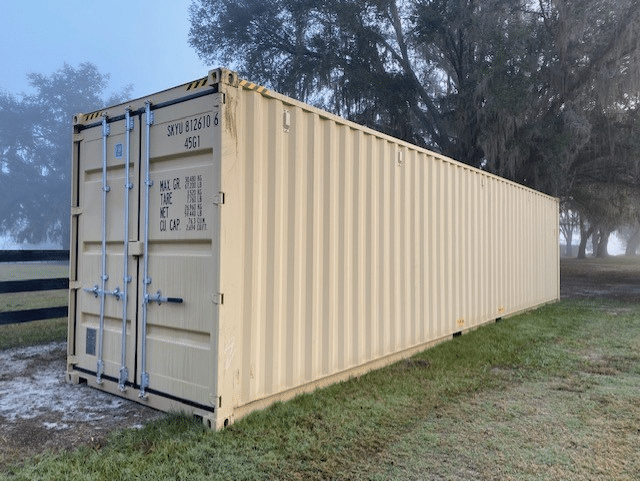
A “new” or “one-trip” shipping container is exactly what it sounds like – a container that has made only one journey from the factory to its destination. These containers are manufactured in Asia (primarily China) and shipped to the United States loaded with cargo. Once they arrive and are unloaded, they’re sold as “one-trip” containers rather than being returned empty to Asia, which would be cost-prohibitive.
The Journey of a One-Trip Container
The typical one-trip container starts its life in a manufacturing facility where it’s built to strict ISO standards. It’s then loaded with cargo (often consumer goods) and makes its maiden voyage across the ocean. Upon arrival at a U.S. port, the cargo is unloaded, and the container becomes available for sale. This process usually takes 2-6 months from manufacture to availability.
Key Benefits of Choosing a New Container
Pristine Condition & Appearance
One-trip containers arrive in like-new condition with:
- Uniform, fresh paint with no fading or discoloration
- No dents, scratches, or structural damage
- Clean interior free from cargo residue or odors
- Fully functional doors with tight seals
- Original factory decals and markings intact
- Extra factory-installed venting
Maximum Lifespan & Durability
New containers offer the longest service life because:
- No previous wear and tear: The container hasn’t been subjected to years of loading, unloading, and stacking
- Full structural integrity: All welds, joints, and components are in factory-fresh condition
- Optimal coating: The original paint and rust protection are at maximum effectiveness
No Chemical or Contaminant Worries
With a one-trip container, you know exactly what was stored inside during its single journey. This is particularly important for:
- Food storage applications
- Container homes and offices where air quality matters
- Sensitive equipment storage
- Applications requiring clean, contamination-free environments
Understanding Used Shipping Containers & Their Grades
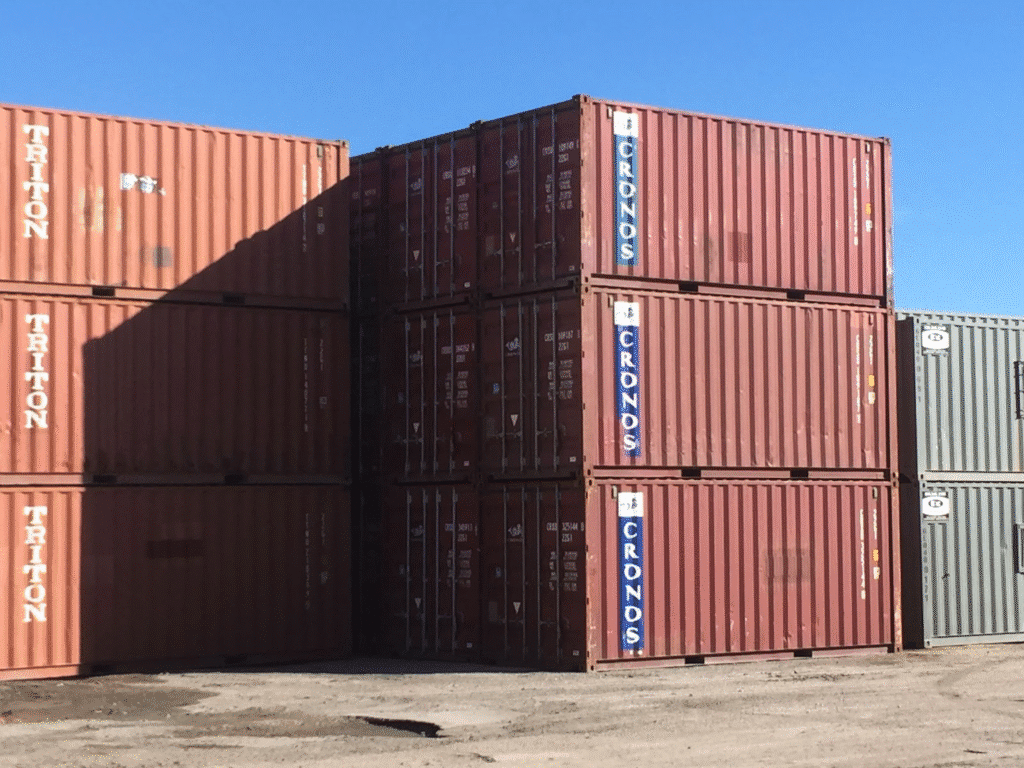
Used shipping containers represent the majority of containers available in the market. These units have been in service for various lengths of time, and understanding their grading system is crucial for making an informed purchase decision.
The container industry uses standardized grades to classify used containers based on their condition and remaining serviceability. The main grades you’ll encounter are:
- IICL: Highest standard of used containers. Premium used containers certified safe for international shipping. Limited Availability.
- Cargo Worthy (CW): Inspected and Certified. No measurable defects. Best for storing items that you care about.
- Wind & Watertight (WWT): End of useful life. Physical defects noted, significant corrosion. A less expensive storage choice for budget-minded consumers or unimportant items.
- As-Is: Definitive defects and in need of repair prior to use. Damage can be severe. Typical repair costs are beyond replacement value.
Each grade serves different applications and budgets, from premium storage requiring perfect weather protection to budget projects where functionality matters more than appearance.
For complete details on all container grades, including specific condition criteria, certification requirements, and ideal applications, read our comprehensive guide on Understanding Shipping Container Grades & Conditions
Key Differences to Consider
Cost & Overall Investment
While our comparison chart shows base pricing, understanding the complete financial picture helps you make the smartest long-term decision.
Hidden Costs and Long-Term Value
Delivery Costs: $200 – $800 depending on distance and accessibility Site Preparation: $500 – $2,000 for proper foundation and access Immediate Repairs (Used Containers): $200 – $2,000+ depending on condition Paint and Cosmetic Work: $300 – $800 for professional repainting Modifications: $1,000 – $10,000+ depending on complexity
Resale Value Considerations: New containers hold their value significantly better than used containers. A new container may retain 60-70% of its original value after 10 years, while used containers typically depreciate to 30-40% of purchase price over the same period. This makes new containers a better long-term investment if you plan to sell or upgrade later.
Standard Features: What’s Included New containers typically come with superior standard features:
- Factory-fitted lock box for secure padlock storage
- Forklift pockets for easy handling and positioning
- Additional vents (up to 10 vents vs 2-4 in older containers)
- High-mounted locking bars for easier operation
- Fresh rubber door seals with maximum effectiveness
Used containers may lack these features or require additional costs to add them.
For added peace of mind, read our buyer protection guide before purchasing.
Condition, Aesthetics, and First Impressions
New/One-Trip: Clean, Dent-Free, and Uniform Paint
New containers arrive looking like they just rolled off the factory floor. The paint is uniform and vibrant, typically in standard shipping line colors. There are no dents, scratches, or rust spots. The interior is clean and ready for immediate use without any preparation work.
Visual Characteristics:
- Bright, uniform paint color
- No dents or surface imperfections
- Clean, unmarked surfaces
- Original factory decals and markings
- Fresh rubber door seals
Used: Expect Dents, Scratches, and Surface Rust
Used containers show their age and work history. The level of wear depends on the grade, but all used containers will have some combination of:
Common Wear Patterns:
- Surface rust, particularly around weld seams and corners
- Dents and dings from container handling equipment
- Paint fading, chipping, or complete wear-through in high-contact areas
- Scratches and scrapes on sides and doors
- Weathering and discoloration
- Possible patches or repairs from previous damage
Durability &Future Maintenance
New Container Lifespan: Minimal maintenance required, primarily preventive care. Minor repairs and maintenance, possible paint touch-ups
Used Container Lifespan (varies by grade):
- Cargo Worthy: A used cargo worthy container already has anywhere from 8-14 years of life removed from it since it was leased out for ocean use. Once a shipping container is pulled out of ocean service, life span typically increases due to the lack of continuous salt spray.
- Wind & Watertight: Good service life with moderate maintenance
- As-Is: Requires immediate attention, shorter service life
Common Maintenance for Used Containers
Annual Maintenance Tasks:
- Inspect and treat any new rust spots
- Check and adjust door operation and seals
- Monitor for leaks during heavy rain
- Clean and inspect interior for moisture issues
Every 3-5 Years:
- Repaint high-wear areas or entire container
- Replace door gaskets if necessary
- Address any structural issues that develop
- Apply rust preventive coatings
Major Repairs (As Needed):
- Floor replacement ($1,000 – $3,000)
- Door replacement or major repair ($500 – $1,500)
- Structural welding and repairs ($200 – $2,000+)
- Complete repainting ($600 – $1,200)
Environmental Impact and Safety Considerations
Environmental Benefits of Each Option
Used Containers: The Eco-Friendly Choice Purchasing used containers supports environmental sustainability by:
- Extending product lifecycle: Giving containers a second life instead of recycling
- Reducing manufacturing demand: Less need for new container production
- Lower carbon footprint: No additional manufacturing and overseas shipping required
- Resource conservation: Utilizing existing steel rather than mining new materials
New Containers: Environmental Trade-offs While new containers require more resources initially, they offer:
- Longer service life: Potentially better long-term resource efficiency
- Higher efficiency: Better seals and condition mean less energy loss in climate-controlled applications
- Reduced maintenance: Less frequent repairs and repainting reduce long-term resource use
Safety and Contamination Considerations
Used Container Risks:
- Unknown cargo history: Previous contents could include chemicals, food products, or hazardous materials
- Contamination concerns: Pesticide residues, chemical spills, or biological contamination
- Fumigation residues: Shipping fumigants may linger in wood floors or walls
- Structural integrity: Hidden damage from heavy cargo or improper handling
New Container Advantages:
- Known history: Only one cargo load with documented contents
- No contamination risk: Fresh interior suitable for food storage or human occupancy
- Structural certainty: No hidden damage or stress from repeated heavy loading
- Insurance benefits: Some insurance companies prefer new containers for liability reasons
How Location and Market Conditions Affect Availability
New Container Availability:
- Port Cities: 1-2 weeks typical lead time
- Inland locations: 3-4 weeks due to transportation logistics
- Limited inventory: Smaller selection requires advance planning
Used Container Availability:
- Generally immediate: Large inventory pools in most markets
- Better geographic distribution: Available closer to end users
- Grade limitations: Specific condition grades may be limited
Seasonal Considerations: Spring and summer demand increases lead times and prices for both new and used containers. Fall and winter typically offer better availability and potential cost savings.
Whichever you choose, a little upkeep goes a long way. See our container maintenance and rust prevention guide
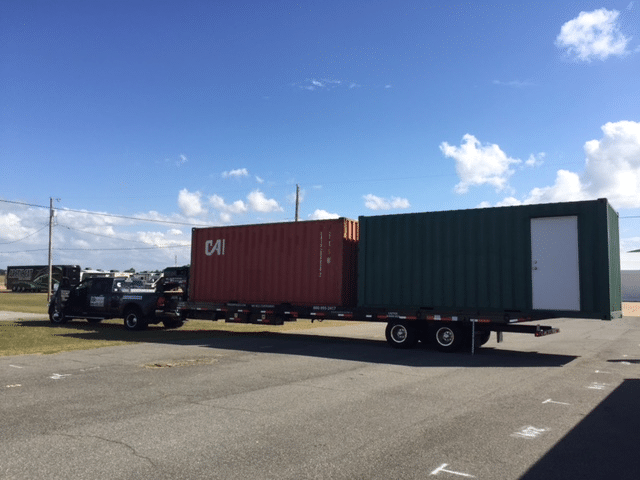
Which Container is Right for Your Project?
Choosing the right container grade depends heavily on your intended use. Here’s how to match your project needs with the optimal container choice:
Best for Secure, Long-Term Storage? WWT or One-Trip Makes Sense
For valuable inventory, equipment, or long-term storage needs, invest in Wind & Watertight or new containers. These grades ensure:
Protection Benefits:
- Reliable weather protection for sensitive items
- Secure locking mechanisms for valuable inventory
- Clean, dry environment free from pest intrusion
- Minimal maintenance requirements over time
Ideal Storage Applications:
- Business inventory and equipment storage
- Seasonal items and recreational vehicles
- Document and archive storage
- Temperature-sensitive materials (with climate control added)
While the upfront cost is higher, the reduced maintenance and replacement costs make WWT and new containers cost-effective for storage periods over 5 years.
Best for Homes, Offices & Custom Modifications? One-Trip is the Best Option
Container homes, offices, and heavily modified structures benefit significantly from starting with a new container:
Modification Advantages:
- Clean structural foundation with known integrity
- No hidden damage or weakened areas from previous use
- Fresh paint provides better base for custom finishes
- Maximum insulation and interior finish attachment points
Health and Safety Considerations:
- No previous chemical contamination concerns
- Clean air environment for occupied spaces
- Reliable structural integrity for extensive modifications
- Better foundation for electrical and plumbing installations
The higher initial investment pays off through reduced modification costs and longer building lifespan.
Best for International Shipping? Cargo-Worthy is Non-Negotiable
If you’re planning to ship cargo internationally, only Cargo Worthy and New 1-Trip containers meet the legal and safety requirements: Wind/Water Tight and As-Is DO NOT!
Certification Requirements:
- Valid CSC (Container Safety Convention) certification
- Passing structural integrity inspections
- Compliance with international shipping standards
- Insurance and liability coverage acceptance
Practical Considerations:
- No shipping delays due to container rejections
- Confidence in cargo protection during transit
- Acceptance by all major shipping lines
- Meeting customer and regulatory expectations
Best for Shipping Containers for Farm Use? New 1-trip & Cargo Worthy Are The Best Choices.
Why Farm Applications Demand Weather-Tight Container Quality
Farm operations rely on expensive equipment, valuable feed, and perishable materials that simply cannot afford exposure to moisture. When it comes to agricultural storage, container quality isn’t just important, it’s essential for protecting your livelihood.
Farm Storage Applications:
- Protecting equipment
- Feed, hay, and grain that spoil with moisture exposure
- Fertilizers and chemicals requiring dry conditions
- Harvested crops awaiting transport
Why Only Quality Containers Work for Farms:
- Leak-free guarantee protects expensive equipment from rust and damage
- Weather-tight seals prevent feed spoilage and costly losses
- Structural integrity handles heavy equipment and frequent access
- Professional certification ensures reliable performance season after season
The Cost of Cutting Corners: Choosing a substandard container to save a few hundred dollars upfront can cost thousands in damaged equipment, spoiled feed, or ruined harvests. One leak can destroy more value than the savings from buying a cheaper container.
How to Inspect a Used Shipping Container
When purchasing a used container, a thorough inspection protects your investment and ensures you get exactly what you expect. While we’ll cover the most critical inspection points here, a comprehensive evaluation involves multiple checkpoints.
Essential Inspection Areas
Structural Integrity: Check for major dents, twisted corner posts, or frame damage that could affect the container’s stability and stacking ability.
Weather Protection: Perform the “light test” by closing yourself inside the container during daylight hours. Any light spots indicate potential leak points in the roof or walls.
Door Functionality: Test door operation, locking mechanisms, and seal integrity. Doors should open smoothly and close with proper weather sealing.
Floor Condition: Walk the entire floor checking for soft spots, water damage, or holes. Pay special attention to corners where moisture tends to accumulate.
Rust Assessment: Differentiate between acceptable surface rust and problematic corrosion that has eaten through the steel.
Professional Inspection Standards
At E & S Equipment Sales, we provide detailed quality assessments with every used container, including photographic documentation and written condition reports. However, understanding what to look for during your own inspection gives you confidence in your purchase decision.
For our complete step-by-step inspection checklist, including specific techniques, red flags to avoid, and professional tips, see our comprehensive guide: The Ultimate Guide to Buying a Shipping Container
Why Choose E & S Equipment Sales for Your Container?
A Massive Inventory of New, Used, and Specialized Containers In Stock
At E & S Equipment Sales, we maintain one of the largest container inventories in the region, ensuring you’ll find exactly what you need when you need it. Our extensive stock includes:
Container Types Available:
- Standard Containers: 10ft, 20ft, 40ft, and 45ft High Cube options
- Specialized Units: Refrigerated containers, open-top, flat rack, and tank containers
- Modified Containers: Pre-built offices, workshops, and storage solutions
- Custom Solutions: We can modify any container to meet your specific requirements
Grade Options:
- IICL: Highest standard of used containers. Premium used containers certified safe for international shipping. (Limited Availability)
- Cargo Worthy (CW): Inspected and Certified. No measurable defects. Best for storing items that you care about.
- Wind & Watertight (WWT): End of useful life. Physical defects noted, significant corrosion. A less expensive storage choice for budget-minded consumers or unimportant items.
- As-Is: Definitive defects and in need of repair prior to use. Damage can be severe. Typical repair costs are beyond replacement value. Best for storing scrap yard items where exposure to elements will not affect their condition or value.
Total Transparency Means We’ll Help You Understand Grades and Conditions
Unlike many container dealers who use vague descriptions, we believe in complete transparency about what you’re buying:
No Surprises Policy:
- Accurate Condition Reports: Our descriptions match what you’ll receive
- Hidden Cost Disclosure: We outline all potential additional costs upfront
- Realistic Expectations: We help you understand what to expect from each container grade
- Expert Guidance: Our team helps you choose the right container for your specific needs
Your One-Stop Shop for Modifications and Add-Ons
Beyond selling containers, we offer comprehensive modification services to create exactly what you need:
Popular Modifications:
- Doors and Windows: Walk-in doors, roll-up doors, and various window options
- Insulation Packages: Professional insulation for climate control and comfort
- HVAC Integration: Heating and cooling systems designed for container spaces
Make Your Decision With a New vs Used Container Checklist
Before making your final choice, ask yourself these key questions:
Budget & Value:
- [ ] What’s my total budget including delivery and site prep?
- [ ] How long will I keep this container?
- [ ] Is resale value important for my situation?
Application & Requirements:
- [ ] Will customers or neighbors see this container?
- [ ] Do I need permits or certificates of origin?
- [ ] Are there contamination concerns for my use?
- [ ] Will I be making major modifications?
Timeline & Availability:
- [ ] How quickly do I need the container?
- [ ] Am I flexible on condition/appearance?
- [ ] Do I need specific features (lock boxes, extra vents)?
Ready to find your perfect shipping container? Whether you need a pristine one-trip container for your container home project or a budget-friendly used container for storage, E & S Equipment Sales has the inventory, expertise, and service to meet your needs.
Our transparent pricing, comprehensive warranties, and honest condition assessments take the guesswork out of your container purchase. We’ll help you choose the right container grade for your specific application and budget, ensuring you get maximum value from your investment. Get A quote now!
Frequently Asked Questions
Is it worth paying extra for a new shipping container?
Choose new if:
You’re building a container home or office (permits often require certificates of origin)
Appearance matters for customer-facing applications
You plan to keep the container 15+ years
You need maximum modification flexibility
Unknown contamination is a concern
Choose used if:
Budget is the primary consideration
The container won’t be visible to customers
You need storage for 5-10 years
Environmental sustainability is important
You’re comfortable with minor cosmetic imperfections
Can I use a used container for international shipping?
Only if it maintains Cargo Worthy certification. Many used containers lose their shipping certification over time and would need costly re-certification ($500-1,500) to return to international service.
New containers maintain their seaworthiness certification longer and can be used for export immediately if needed.
0 Comments