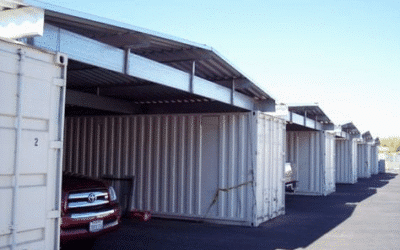
Last month, a Tampa contractor called us three weeks into his project. He'd rented a 20ft storage container for his 12-person crew. By week two, materials were stacking outside because nothing fit. The "savings" from choosing the smaller shipping container size cost...
Learn About Storage Containers
Everything You Need To Know About Shipping Container Delivery
Shipping container delivery involves three main steps: scheduling delivery 7-12 days after your order, preparing your site with proper access and level ground, and choosing a delivery method based on your space. Tilt-bed trucks are most common and need 12 feet of width and 60 feet of straight backing for 40ft containers, with 14 feet of overhead clearance.
Restaurant Storage Solutions That Actually Work
Running a restaurant means constantly battling space constraints—from packed walk-in coolers to seasonal furniture cluttering your prep areas. Smart restaurant operators across Florida and Georgia have discovered that commercial cargo containers solve these storage headaches faster and more affordably than warehouse rentals or building additions, providing secure on-site storage with immediate access right on your property.
42 Profitable Shipping Container Business Ideas
After delivering over 11,000 containers across Florida and Georgia since 2010, we’ve watched plenty of ventures succeed beyond expectations, and plenty more burn through capital on concepts that never had a chance. The difference usually comes down to understanding which applications actually generate revenue versus which ones just photograph well.
This guide covers 42 proven container business models organized by industry, from the reliable money-makers like construction site offices and secure tool storage, to higher-risk food service concepts that can work if you navigate the regulatory maze correctly.
Should You Buy Shipping Containers Through Rent-to-Own? Complete Business Guide for 2025
The answer depends entirely on your timeline. Need storage for less than 12 months? Regular rental usually costs less. Planning to use containers for 18 months or longer? Rent-to-own almost always wins, especially with early payoff discounts that can shift your break-even point to just 12-15 months.
This guide breaks down the real math behind rent-to-own versus buying, financing, or traditional rental. You’ll see industry-specific considerations, hidden costs that rental companies don’t advertise, and clear indicators for when rent-to-own makes zero sense for your business.
How Our Rent to Own Shipping Container Program Works
No credit checks, just income verification. Pick your term length of 12, 24, 36, or 48 months. Most importantly, 60-70% of each payment builds equity toward owning the container outright. And if your cash flow improves? We offer a 33% discount for early payoff. This guide breaks down exactly how our program works, what containers qualify, and why it beats throwing money at traditional rentals that never build asset value.
How to Finance Your Storage Container Purchase
This guide walks through every container financing method available in Florida and Georgia. From traditional equipment loans to no-credit-check rent-to-own programs. You’ll see real monthly payment examples, learn which container grades work best with different financing terms, and understand the tax implications that most people miss.
What Are One Trip Shipping Containers?
A one-trip shipping container is a nearly new container that has completed a single voyage from its manufacturing facility to a destination port. Due to global trade imbalances, shipping companies often find it more cost-effective to sell these containers locally rather than pay to ship them back empty. As a result, buyers can acquire a container in “like-new” condition with only minor cosmetic wear, offering the structural integrity and clean appearance of a new unit at a significantly lower price, making it the best value for most storage and modification projects
Start Understanding Shipping Container Grades & Conditions
When shopping for steel shipping containers, you'll encounter different condition grades that describe the container's quality, appearance, and structural integrity. These grades aren't arbitrary, they're industry-standard classifications that help you understand...