
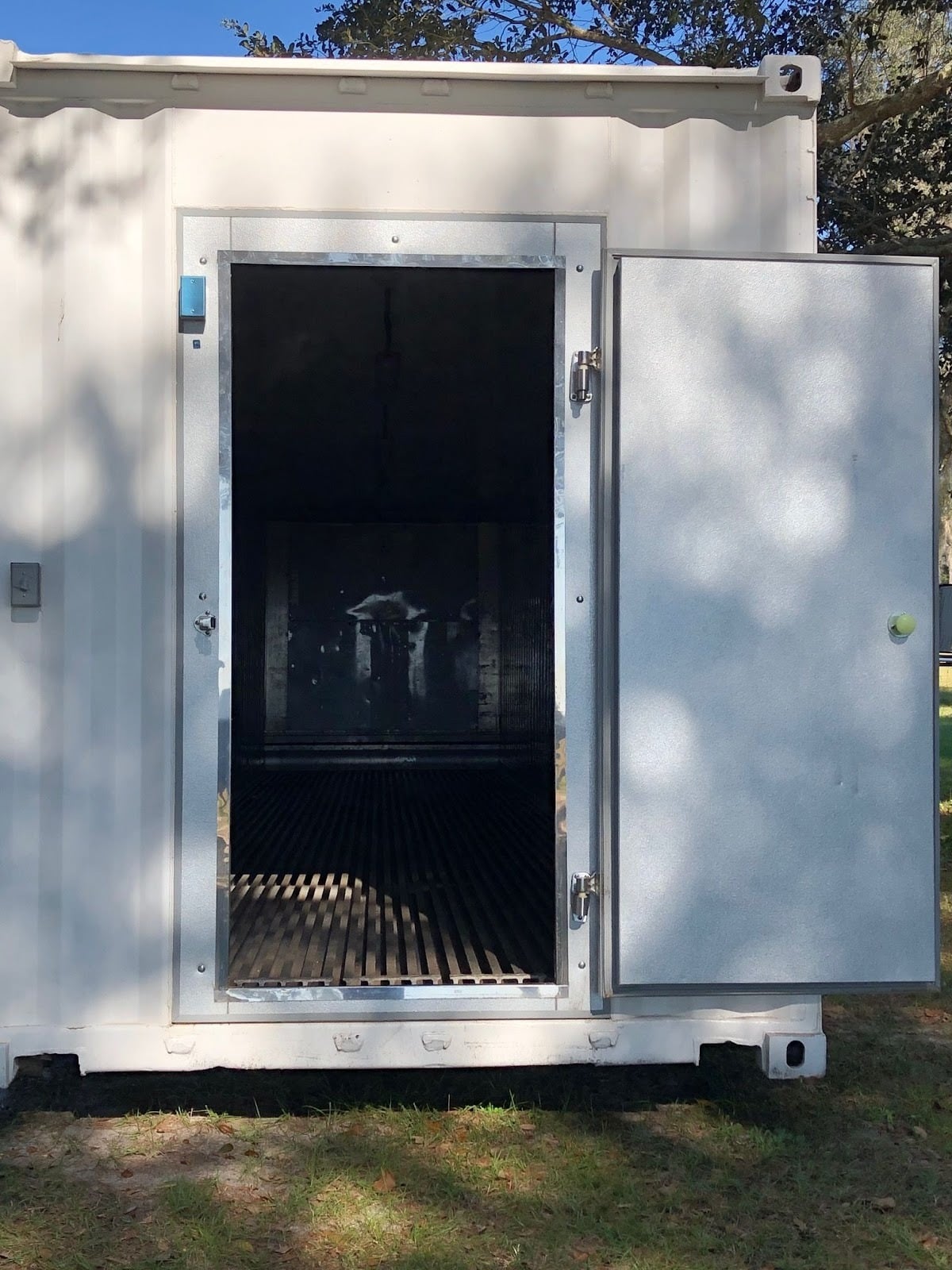
Running a restaurant means dealing with constant space problems. Walk-in coolers packed tight, dining furniture stacked in hallways during slow seasons, bulk supplies taking over prep areas. Where does it all go?
Smart restaurant operators across Florida and Georgia figured out that commercial cargo containers solve these storage headaches faster than building additions or renting expensive warehouse space. Since we started in 2010, hundreds of restaurants have transformed their operations by adding secure, weather-tight portable storage containers right on their property.
Here’s what works for restaurant storage, what doesn’t, and how to pick the right container solution for your restaurant or catering operation.
Why traditional storage options fall short for restaurants
Most restaurants try renting self-storage units first. You know the drill, loading restaurant equipment into trucks, driving across town, unloading at a facility that closes at 6 PM. Try retrieving those extra banquet tables on a Saturday night when your private event suddenly has more guests than expected.
Building permanent additions requires permits, contractors, months of construction. We’re looking at $150-300 per square foot before you can store a single case of wine.
Mini-warehouses? They charge $200-400 monthly for climate-controlled space. That’s $2,400-4,800 yearly, enough to own a cargo container outright in 18-24 months.
How cargo containers solve restaurant storage problems
Seasonal equipment and furniture
Outdoor dining furniture disappears for months but still needs protection from Florida humidity and Georgia weather. Heaters for winter patios, fans for summer service, holiday decorations, rooftop bar equipment, all of it fighting for space in already-crowded restaurant storerooms.
A 20-foot storage container handles furniture for 30+ outdoor tables plus equipment. Put it in your parking lot and seasonal transitions take minutes instead of days.
Seasonal bar operations face similar issues. That rooftop bar sits empty eight months a year. The beer garden requires furniture, heaters, and specialized glassware. One 40-foot container stores complete outdoor bar setups, furniture for 50+ guests, specialized glassware, POS systems, promotional materials, seasonal décor.
Bulk purchasing
Smart buying means larger orders at better prices. The problem? Your current restaurant storage can’t handle 50 cases of olive oil or three months of dry goods inventory.
Restaurants using 40ft containers for dry storage report savings that pay for the container within a year. Room temperature stable items, canned goods, paper products, backup restaurant equipment, stay organized and accessible without taking over your kitchen.
Equipment you need but don’t use daily
Specialized catering equipment, backup coolers, seasonal smallwares, rarely-used serving pieces. These items cost too much to replace but take up premium kitchen real estate.
Portable storage containers near your back door put this equipment within a 30-second walk. Closer than most restaurant storerooms and way more organized.
Mobile food operations
Food trucks, coffee carts, mobile dessert vendors, portable bar services, these operations need secure base locations between events. Renting commercial space costs $400-1,000 monthly for spots that might not even be convenient.
A cargo container positioned near your primary service zone becomes your mobile base. Restock between shifts, secure expensive equipment overnight, organize supplies for different events.
Coffee truck storage deals with specialized equipment, espresso machines (often $15,000+), grinders, syrups, cups, backup supplies. A 20ft container near your commissary or home base keeps everything organized without paying for expensive commercial kitchen rentals.
Food trucks with rotating menus can use containers to swap out specialized equipment. Mexican concept one week, BBQ the next? Store what you’re not using in organized, secure sea boxes instead of cramming everything into your truck.
Catering companies often outfit containers with shelving systems that mirror truck layouts, making load-out efficient and organized. Some catering operations maintain multiple containers organized by event type, wedding supplies, corporate catering equipment, large-scale event materials.
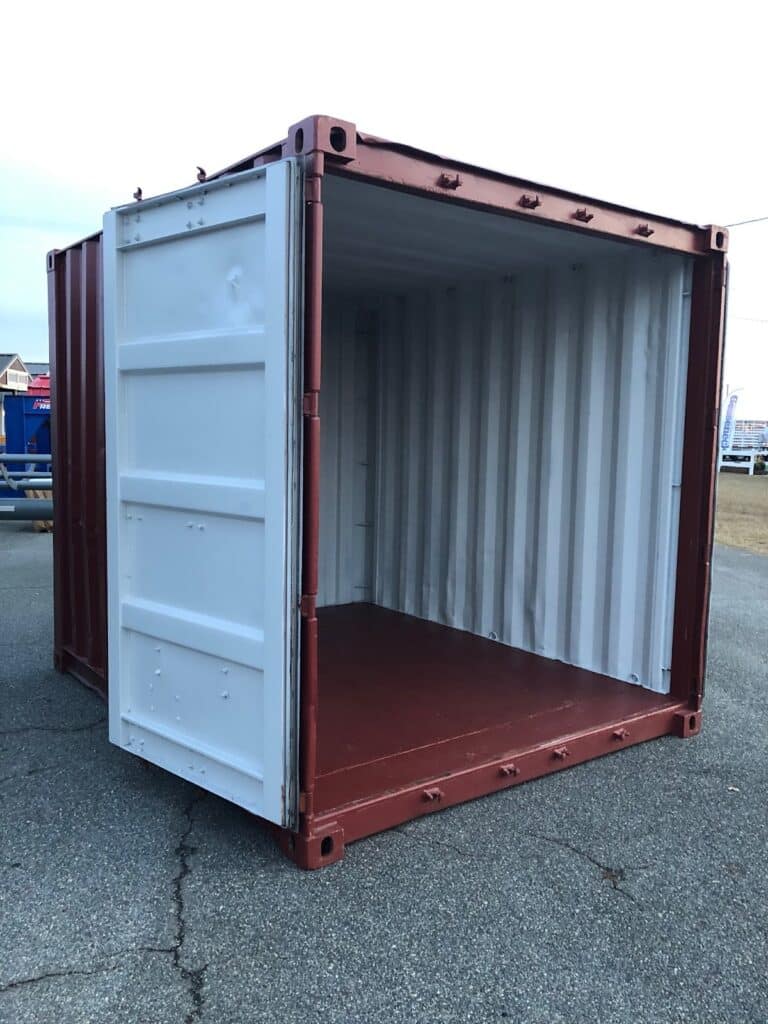
What can restaurants store in cargo containers?
Items you can safely store
Equipment and smallwares like backup kitchen equipment, serving pieces, cookware, utensils, china, glassware, specialty tools. Store clean and dry in your cargo container.
Non-perishable restaurant supplies work great, paper products, disposable serviceware, cleaning supplies (stored separately from food items), linens, packaging materials.
Restaurant furniture and fixtures, tables, chairs, outdoor furniture, décor items, signage, seasonal equipment for bars or patios.
Dry goods include unopened canned goods, dry pasta, rice, flour (in sealed containers), cooking oils in original packaging.
Beverage inventory like wine, spirits, beer kegs (empty), soda syrup boxes, bottled beverages. Many restaurants use shipping containers specifically for overflow beverage inventory.
Backup restaurant equipment such as extra refrigeration units, spare ovens, additional prep tables, emergency generators, seasonal cooking equipment.
Items requiring special handling
Wine collections need consistent temperatures (55-65°F works best). Consider insulated containers with climate control for valuable collections. Standard steel shipping containers work fine for commercial-grade wine inventory that rotates regularly.
Grease and cooking oil, used cooking oil must follow local waste disposal regulations through specialized waste management services. Fresh cooking oil in sealed manufacturer containers stores fine in standard cargo containers.
Propane and fuel require checking local fire codes. Most jurisdictions have specific requirements for propane tank storage, usually requiring outdoor, well-ventilated areas away from your restaurant.
What never belongs in restaurant containers
Perishable food products like raw meat, dairy, produce, prepared foods, anything requiring refrigeration belongs in proper commercial refrigeration, not containers without active temperature control.
Opened food items need proper food service storage conditions per health department regulations once packaging opens.
Hazardous chemicals like industrial cleaning chemicals and pesticides have specific storage requirements shipping containers don’t meet without proper modifications.
Read the top 42 Profitable Shipping Container Business Ideas
Health code and safety regulations
Health inspectors care about food safety, not where you store non-food items. Portable storage containers cause zero problems when you use them appropriately..
What health inspectors check
When containers enter the picture during inspections, here’s what they look for:
Pest control measures, are cargo containers sealed properly? Items stored off the ground on pallets or shelving? Rodent prevention strategies in place for your restaurant storage?
Cross-contamination prevention, are cleaning chemicals separated from food items? Dry goods in sealed containers? Everything organized to prevent contamination in your storage container?
Temperature control evidence, if storing temperature-sensitive items, can you demonstrate proper monitoring? For climate-controlled containers, temperature logs may be requested by health inspectors.
Cleanliness and organization, is storage clean and organized? Items protected from contamination? Can you demonstrate FIFO (first in, first out) practices for restaurant supplies?
Fire safety
Fire code compliance matters. Most jurisdictions classify empty steel cargo containers as Class I construction (non-combustible). Check local fire marshal requirements for your specific restaurant location in Florida or Georgia.
Proper placement distances, containers typically need 3-10 feet clearance from restaurant buildings. Your local fire marshal provides specific requirements during permitting.
Fire suppression isn’t required for standard storage container applications. Fire codes focus on building clearances and combustible material storage practices.
Access and emergency response
Emergency access requirements mean clearly marked containers with unobstructed paths. Fire departments need to access buildings without obstacles, so container placement matters during permit approval.
Aisles and pathways inside containers should allow safe movement and emergency egress if staff work inside. Most restaurants use containers for storage retrieval only, not as work spaces.
Local fire marshal approval during permit review addresses these requirements specific to your restaurant location.Size and type selection for restaurant storage
20-foot containers for restaurant storage
Storage capacity: 1,170 cubic feet, floor space 160 square feet (20′ x 8′)
Best for: Single restaurant locations, seasonal equipment storage (outdoor furniture for 30-40 seats), mobile food truck storage, supplemental dry goods storage, beverage overflow, specialized equipment (catering gear, backup appliances)
Space comparison: Roughly equal to a 12′ x 14′ restaurant storage room
40-foot containers for restaurant operations
Storage capacity: 2,390 cubic feet, floor space 320 square feet (40′ x 8′)
Restaurant applications: Multi-location restaurant groups (central supply storage), bulk purchasing programs (paper goods, disposable serviceware, dry ingredients), large seasonal operations (complete patio furniture for 80+ seats, seasonal bar equipment, holiday décor), catering company storage (equipment for multiple event types), comprehensive backup equipment storage
Value advantage: Double the 20-foot capacity at roughly 60-70% more cost, better per-square-foot value
40-foot high cube containers
Added vertical space: 9’6″ interior height vs. 7’10” standard height, extra 350 cubic feet capacity (2,700 total)
Restaurant benefits: Tall equipment storage (reach-in coolers, shelving units, stacked furniture), vertical shelving systems for maximizing organization, larger catering equipment (popup tents, large format cooking equipment)
Common uses: Operations requiring vertical organization, catering companies, event businesses, restaurants with bulky seasonal equipment
10-foot containers for tight spaces
Compact footprint: 80 square feet (10′ x 8′), 620 cubic feet capacity
Best for: Limited space restaurant locations, urban environments with tight parking lot configurations, supplemental storage near loading areas, coffee trucks or small mobile operations
Availability note: Less common than 20′ or 40′ containers, may require custom ordering with longer lead times
Learn Should Buy Shipping Containers Through Rent-to-Own
Delivery and placement logistics
Standard delivery methods
Tilt-bed truck delivery works for most restaurant locations with adequate access. Containers slide off the truck bed onto prepared ground. Requires straight-in access of 60-80 feet, relatively level ground, and overhead clearance (14-16 feet).
Forklift placement handles difficult access situations, parallel parking, tight spaces, or areas where tilt-bed trucks can’t access. Typically adds $200-400 to delivery cost.
Crane placement for rooftop containers or very difficult access situations. Rarely needed for restaurant ground-level storage. Cost: $800-2,000 depending on crane size and placement complexity.
Restaurant-specific delivery considerations
Operating hours: Schedule deliveries during slow periods (mid-morning or mid-afternoon), avoiding meal rushes when parking lots are full.
Customer impact: Plan deliveries when customer parking won’t be blocked, communicate with staff about temporary access restrictions, protect landscaping or outdoor dining areas during container placement.
Permit timing: Verify permits approved before scheduling delivery. Some jurisdictions require inspections before container placement.
Delivery timeline expectations
In-stock containers in Florida and Georgia: 3-7 days for standard containers (20′, 40′ standard height), 7-12 days for high cube or specialty sizes
Modified containers (with doors, A/C, etc.): 3-4 weeks depending on modification complexity, electrical work extends timeline
Custom-sourced containers or specific requirements: 7-12 days depending on availability
Delivery schedules depend on inventory, modifications, and local permitting timelines.

Get the right storage container for your restaurant
Container storage solves restaurant space problems that traditional storage options can’t address, immediate access on your property, ownership instead of rental fees, organization that actually works for restaurant operations.
Whether you’re dealing with seasonal equipment overwhelming limited space, trying to make bulk purchasing programs work without adequate storage, or running mobile food operations needing secure base storage, the right container configuration handles your specific restaurant storage challenges.
Ready to solve your restaurant’s storage problems with cargo containers?
Call E&S Equipment at (800) 995-2417 to discuss storage container solutions for your restaurant operation or get a quote online. We’ll help you determine the right container size, grade, and modifications for your specific situation.
Learn more about buying cargo containers.
Serving Florida and Georgia restaurants with better containers and professional service since 2010, we’ve delivered over 11,000 containers and understand exactly what works for restaurant storage applications.
0 Comments