The mistakes that cost container buyers the most are the wrong size, misread condition grades, too-good-to-be-true pricing, skipped inspections, unbudgeted delivery and site prep, and overlooked zoning rules. After 30 years and more than 11,000 containers sold, we see the same errors every week. Here is how to avoid all nine.

Learn About Storage Containers
The Complete Guide to Shipping Container Modifications & Customizations
Container modifications run from a single man door or window up to full electrical, insulation, and multi container builds. The common ones are roll up doors, man doors, vents, insulation, shelving, and custom paint. Some side cutouts weaken the container structurally, and those are the ones worth planning around.
What Is The Best Vehicle & Auto Parts Storage Option?
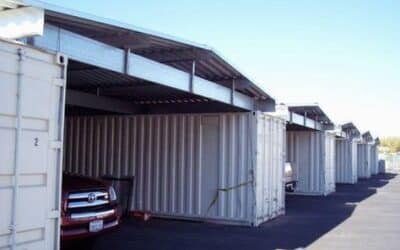
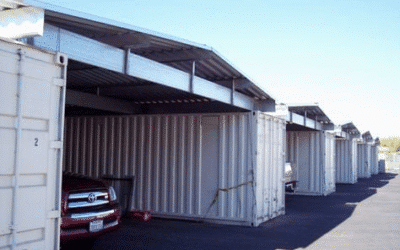
The best vehicle and auto parts storage option is a cargo worthy container with moisture control. Steel keeps vehicles and parts safe from humidity, UV, storms, and theft, with on site access anytime. Add passive vents for airflow, a dehumidifier sized to the container, and wall mounted shelving for parts.
75 Shipping Container Facts That Will Surprise You
The average shipping container travels more than 500,000 miles in its working life, roughly 20 trips around the Earth, before retiring to a backyard or a jobsite. These 75 facts cover how containers reshaped global trade, what they are made of, how identification codes work, and where they come from.
Practical Agricultural Storage Container Uses for Farms
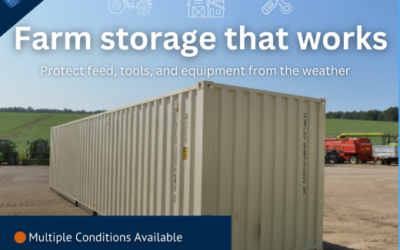
Farmers use shipping containers for feed and hay storage, equipment lockup, chemical storage, cold storage, and on-site workshops, all for a fraction of what a pole barn costs. These 12 uses show where containers save the most money, and which grade and modifications hold up on a working farm.
What Size Storage Container Do You Need for Your Construction Site?
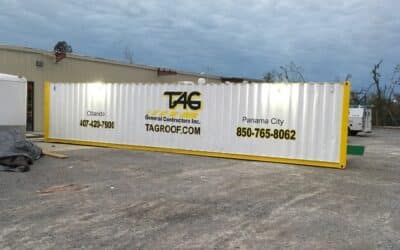
A crew of up to eight with tools and light materials fits a 20ft container. Crews of six to twelve, or anyone staging bulk materials, need a 40ft. Go high cube if you are stacking pallets or storing tall equipment. Size comes down to crew, contents, site fit, and door openings.
Everything You Need To Know About Shipping Container Delivery
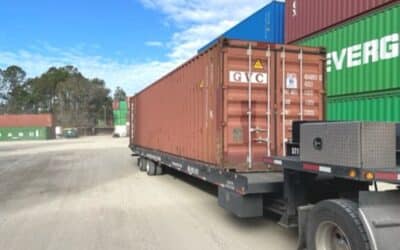
Shipping container delivery involves three main steps: scheduling delivery 7-12 days after your order, preparing your site with proper access and level ground, and choosing a delivery method based on your space. Tilt-bed trucks are most common and need 12 feet of width and 60 feet of straight backing for 40ft containers, with 14 feet of overhead clearance.
Restaurant Storage Solutions That Actually Work
Restaurants use shipping containers for dry goods overflow, seasonal patio furniture, catering equipment, and paper supply, all parked on their own lot instead of a rented warehouse across town. A 20ft container costs less over 18 months than most warehouse leases and puts inventory a short walk from the back door.
42 Profitable Shipping Container Business Ideas
The container businesses that actually make money are storage rental, mobile food and coffee, farm and equipment storage, pop up retail, and jobsite offices. The ones that photograph well and rarely pencil out are container homes and boutique hotels. These 42 ideas are sorted by what the revenue actually looks like.